


If Star Wars has taught us anything, it’s that real heroes don’t always wear capes—or carry lightsabers. Sometimes, they beep softly in the background, offer timely assistance, and never leave your side. For our seniors, that kind of constant, quiet support is no longer a galaxy away. It’s here, and it fits in the palm of a hand.
Much like R2-D2, modern GPS trackers act as loyal companions—especially for older adults who want to stay independent but safe. Tools like the Life Assure gps tracker are built with features that help families stay connected without being intrusive. From location updates to emergency alerts, they serve as watchful helpers, stepping in only when needed. For many caregivers, it’s the tech equivalent of having a trusty droid by your side.
The Rise of Smart Tracking for Senior Safety
A few years ago, GPS tracking was mostly seen as a tool for navigation or logistics. These days, it’s increasingly viewed as a way to support those who need a little extra backup, without taking away their independence.
Seniors who live alone or like to maintain active lifestyles benefit from a GPS tracker in the same way Star Wars characters rely on their droids—it’s about quiet support, not control. The device doesn’t interrupt their routine. It simply ensures someone knows where they are if something unexpected happens.
Whether it’s detecting a fall or sending an automatic location update during an emergency, GPS trackers are designed to act fast—when it matters most.
Why Independence Doesn’t Mean Being Alone
Growing older doesn’t mean surrendering autonomy. In fact, most seniors want to live at home for as long as possible. But there’s a fine balance between independence and safety, especially for loved ones who worry.
That’s where GPS trackers come in. They’re not there to limit movement. They’re there to support it. If someone steps outside their usual walking route or misses a regular check-in, a caregiver gets notified. If they feel unwell or get disoriented, they can press one button to connect with help.
Think of it like a personal R2-D2—always in the background, quietly recording the terrain, sending signals, and standing by to step in at a moment’s notice.
Real-Life Use Cases: Not Just Sci-Fi Anymore
The scenarios where a GPS tracker can make a meaningful difference are as varied as they are vital:
- Wandering prevention: For seniors living with dementia or Alzheimer’s, GPS trackers offer immediate alerts when they exit a pre-set “safe zone.” It can stop a stressful situation from escalating into a search-and-rescue.
- Emergency response: If someone falls or suddenly feels unwell, help can be summoned instantly through the device—no phone fumbling required.
- Everyday check-ins: For family members who live far away, the ability to view real-time location or receive gentle status updates makes all the difference. It’s not about spying—it’s about staying connected in a low-pressure way.
These aren’t theoretical benefits. Families across the country are already experiencing the relief of knowing their loved ones are safer—without sacrificing the things that bring them joy.
Designs That Actually Fit Seniors’ Lives
Let’s face it: not all tech is created with seniors in mind. Small screens, confusing buttons, or complicated apps can make adoption difficult.
But GPS trackers designed specifically for elder care have come a long way. Many models now look more like smartwatches or pendants than traditional gadgets. They’re lightweight, discreet, and often have only one or two buttons to keep things simple.
Some even offer voice communication, which means a senior can speak directly to a family member or emergency responder with a single tap—no need to unlock a phone or scroll through contacts.
In short, today’s GPS trackers are less like intimidating tech and more like everyday tools, seamlessly blending into a senior’s lifestyle. No beeps. No fuss. Just support.
Peace of Mind for Families, Too
Let’s not forget the other side of the equation. Caregivers—whether they’re adult children, neighbours, or close friends—carry a significant mental load. Always wondering, “Did Dad make it back from his walk?” or “Has Grandma been home all afternoon?” can be exhausting.
With GPS tracking, that constant wondering gets replaced by clarity. A quick glance at an app can confirm that all is well. If something goes off track, the system alerts you before it becomes a crisis.
It’s not about surveillance—it’s about reducing the emotional and logistical stress that can come from caregiving at a distance.
When Tech Supports, Not Replaces, Human Care
One concern people sometimes raise about devices like GPS trackers is that they might replace real human care. But that’s not really the goal.
Just like R2-D2 never replaced Luke or Leia, GPS trackers aren’t about taking over—it’s about enhancing the ability of people to care for one another. They’re the tools that fill in the gaps when we can’t be there physically, or when we need that extra layer of support.
And in the best-case scenarios, these tools make space for better connection. Instead of spending every call checking on someone’s whereabouts, families can focus on deeper conversations, laughter, and meaningful time together.
Privacy and Trust: Getting It Right
Of course, with any location-based technology, it’s essential to address privacy. Seniors should feel empowered, not monitored.
That’s why transparency is key. When introducing a GPS tracker to a loved one, it’s best to frame it as a shared tool. Explain how it works, who can access the data, and how it helps everyone feel more secure.
Most seniors are receptive—especially when they understand it’s about staying in control of their lifestyle, not giving it up.
And just like any good droid, the best GPS trackers come with strong security measures and clear boundaries on who sees what and when.
The Future of Senior Safety Looks Smart, Not Complicated
We’re at a point where technology can finally match our intentions. We want to protect the people we love without wrapping them in bubble wrap. We want to offer help without being overbearing.
GPS tracking is a standout example of how tech is rising to that challenge. It’s simple, subtle, and incredibly effective.
Just like the best sci-fi sidekicks, it’s not flashy—it’s functional. It doesn’t replace connection—it strengthens it. And it helps us all sleep a little better at night.

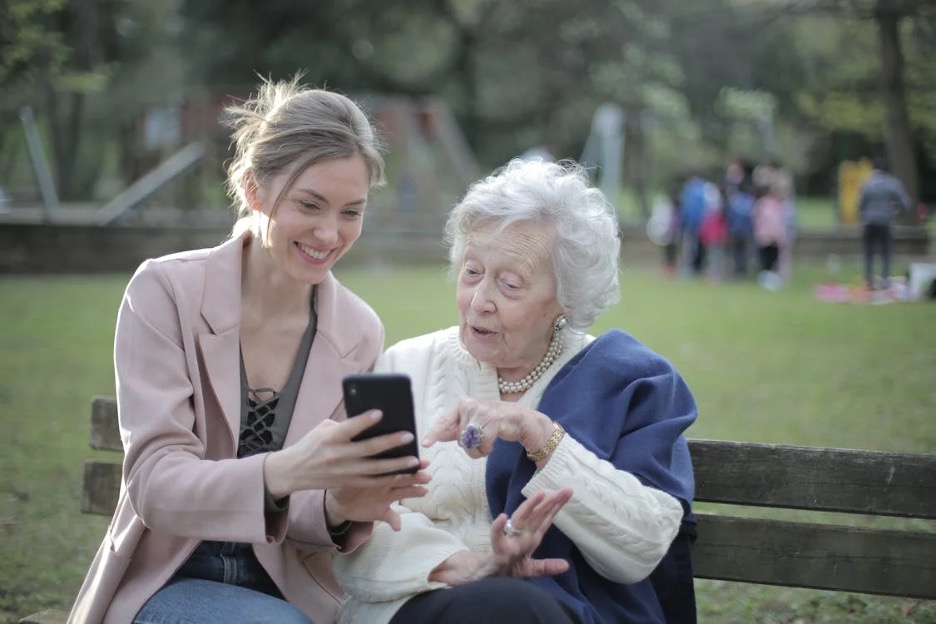
Photo by Kampus Production from Pexels
Final Thoughts: Not All Heroes Wear Capes (or Carry Canes)
In a galaxy not so far away—maybe even in your own family—there’s likely someone who could use a bit of backup. Someone still living independently, still enjoying life, but starting to need a few guardrails.
A GPS tracker isn’t a magic fix. But it is a meaningful one. It’s a way to show love through preparation. A way to protect digity without limiting freedom.
So maybe it’s time to think of these little devices less like gadgets and more like guardians.
After all, R2-D2 didn’t save the galaxy by being flashy. He did it by showing up, staying alert, and always having your back.
Main Photo by Andrea Piacquadio from Pexels