


Summer heat has a way of turning electricity bills into a source of dread. Every time the temperature climbs, homeowners brace themselves for a cooling bill that seems to grow faster than the heat outside.
Staying cool doesn’t have to mean draining your wallet. With a few smart adjustments, you can keep your home comfortable without watching your electricity budget disappear.
Cooling costs often make up a huge chunk of household energy spending during warmer months. Air conditioners work overtime, refrigerators strain a little harder, and homes that aren’t properly insulated lose their cool air almost as fast as it’s produced. Understanding where the waste happens is the first step toward fixing it.
Start With Your Air Conditioner’s Habits
Your air conditioning unit is likely the biggest energy user in your home during hot weather. Setting the thermostat a few degrees higher than usual, especially when nobody is home, can make a noticeable difference over time. Every degree adjustment can lower your energy use in small but meaningful ways.
It also helps to schedule regular maintenance for your unit. A dirty filter forces the system to work harder, which drives up both energy use and wear on the machine. Cleaning or replacing filters every month during peak season keeps airflow steady and prevents the unit from straining unnecessarily.
Another overlooked habit involves the outdoor unit itself. Homeowners often forget that debris, leaves, and overgrown plants around the condenser can block airflow. Clearing space around it allows the system to breathe properly and cool your home more efficiently without extra strain.
Install a Ceiling Fan for Better Circulation
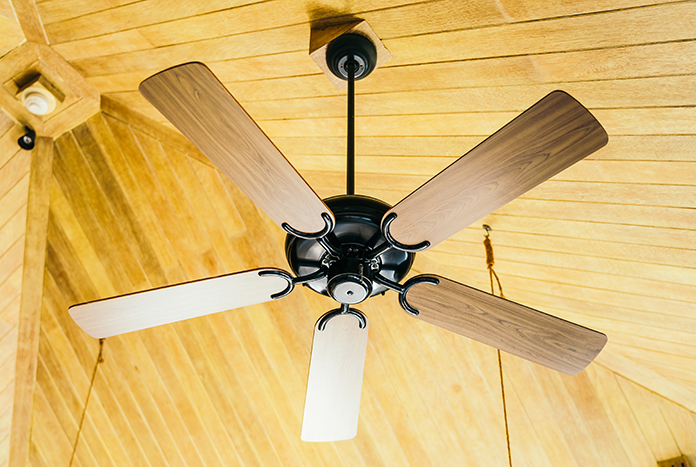
One of the most effective upgrades a family can make is installing a ceiling mounted fan in frequently used rooms. Unlike an air conditioner, a ceiling fan doesn’t lower the actual temperature. Instead, it moves air around the room, creating a breeze that makes the space feel several degrees cooler.
This matters because a ceiling fan uses a small fraction of the electricity an air conditioner requires. Running one alongside your cooling system allows you to raise the thermostat a few degrees while still feeling just as comfortable. Over a full season, that small change can add up to real savings.
Placement plays a big role in how well a ceiling fan performs. If you’re installing it yourself, you’ll need a ceiling fan mount first, and must ensure it hangs between seven and nine feet above the floor and roughly ten to twelve inches below the ceiling for the best airflow. A fan mounted too close to the ceiling won’t circulate air effectively, no matter how powerful the motor is.
Direction matters too, and many homeowners don’t realize their fan has a seasonal setting. During warmer months, the blades should spin counterclockwise, pushing air straight down to create a cooling breeze. In cooler months, switching the direction helps redistribute warm air that naturally rises toward the ceiling.
Let Natural Light and Airflow Work in Your Favor
Sunlight streaming through windows can heat a room surprisingly fast, especially in the afternoon. Closing curtains or blinds during the hottest parts of the day blocks a significant amount of heat before it even enters your living space. Lighter colored curtains reflect sunlight better than darker ones.
Opening windows during cooler morning or evening hours allows fresh air to flow through your home naturally. This simple habit can reduce how often your cooling system needs to run, especially in climates where nights bring a noticeable drop in temperature. Cross ventilation, where air enters one window and exits another, works especially well.
Strategic landscaping can also make a difference over time. Trees or tall plants positioned near windows that receive direct sun create natural shade, which keeps indoor temperatures lower without any electricity involved. While this isn’t an overnight fix, it pays off significantly in the years ahead.
Seal Gaps and Improve Insulation
Cool air escaping through small gaps around doors and windows forces your cooling system to work harder than necessary. Weatherstripping and caulking are inexpensive fixes that seal these leaks and keep conditioned air inside where it belongs. A weekend spent checking for drafts can lead to noticeable savings.
Attic insulation deserves attention too, since heat naturally rises and can build up in poorly insulated spaces above your ceiling. Proper insulation acts as a barrier, preventing that heat from radiating down into your living areas. Homeowners who upgrade their insulation often notice a difference within the first few weeks.
Even something as simple as checking door sweeps can help. Gaps beneath exterior doors let warm air sneak inside, undoing some of the work your cooling system just did. Replacing a worn sweep takes only a few minutes and costs very little.
Rethink Appliance Use During Peak Heat Hours
Ovens, stoves, and dryers all release heat into your home, making your cooling system work harder to compensate. Shifting these tasks to cooler parts of the day, like early morning or late evening, reduces the extra heat load your air conditioner has to fight against.
Cooking outside on a grill during summer months is another option worth considering. It keeps heat out of the kitchen entirely while still letting your family enjoy a good meal. Many households find this small shift makes a noticeable difference in how warm their kitchen feels by evening.
Running dishwashers and washing machines during off peak hours can also lower your overall electricity costs, depending on your utility provider’s pricing structure. Combining full loads instead of running smaller ones throughout the day reduces both water and energy waste.
Consider a Programmable or Smart Thermostat
A programmable thermostat allows you to set specific temperatures for different times of the day without having to think about it constantly. You can schedule warmer settings while everyone is away at work or school and cooler settings for when the family returns home.
Smart thermostats take this a step further by learning your habits over time and adjusting automatically. Many models also allow remote control through a smartphone, so you can adjust the temperature before walking through the front door. This level of control often leads to meaningful savings without sacrificing comfort.
Small Changes Add Up to Big Savings
Staying cool during hot months doesn’t require expensive renovations or a complete lifestyle overhaul. Simple adjustments like installing a ceiling mounted fan, sealing drafts, and rethinking when you use certain appliances can collectively lower your electricity bill in a meaningful way.
The key is consistency. A single change might only save a small amount, but combining several strategies creates a noticeable difference by the time your bill arrives. With a bit of planning, your home can stay comfortable all season long without putting unnecessary strain on your budget.
Image: Magnific.com