


George Lucas built Star Wars for cinema, yet the saga never stayed inside a frame. By 1983, kids were swinging plastic sabers in gardens, repeating lines before they fully understood them. Then cartridges, CD-ROMs, and controllers turned that pretend play into rules, scores, and choice. Fans did not simply remember Luke’s trench run. They tried it, failed it, and tried again.
That shift says a lot about modern fandom. The point became clear each time a player spent forty minutes choosing dialogue instead of watching a fixed scene. No pause button could match that feeling. A person reading a fan guide might compare polskie kasyna online verified by players in one browser tab, then open a mod list for Knights of the Old Republic in another. Strange pairing? Sure. But it shows the same habit: interactive media asks people to click, test, rank, and decide instead of sitting still.
The controller changed canon at home
Games gave fans jobs the films could only suggest. X-Wing put them inside a cockpit with shield settings, target locks, and panic. Dark Forces handed them a blaster and a corridor full of stormtroopers. It felt direct.
The web around those games trained similar behavior. A review page might compare online casino for 2026, then rate Jedi: Survivor patches with the same blunt stars and notes. Readers already knew how to sort claims. One sentence later, an ad may read polskie kasyno online https://tbip.pl/ play for real money beside a walkthrough for a rancor fight. The placement looked messy, but the behavior was familiar. Another corner might tell readers to choose polskie kasyna online BLIK play for real money while they search for controller settings. Odd, but honest. Star Wars play grew inside the clickable web, where choice became normal.
Role-playing made the galaxy arguable
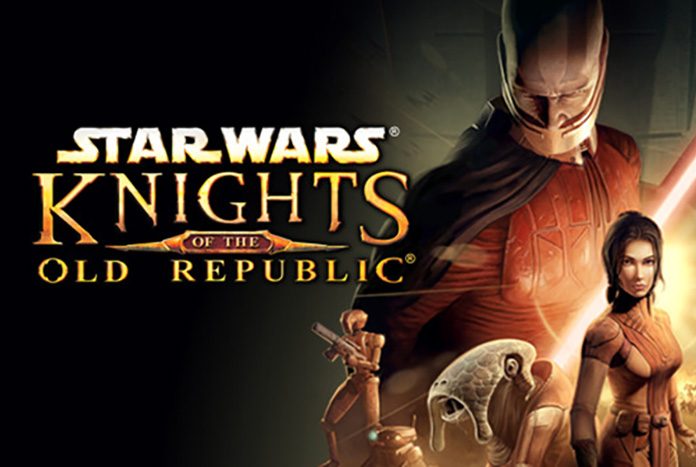
Knights of the Old Republic landed in 2003 and made a bold claim: a Star Wars story could wait for the player. Revan’s identity twist hit hard because the player had made small moral choices for hours before it arrived. Mercy, lies, greed, patience. Tiny clicks gained weight.
That structure changed dinner-table arguments. Fans no longer asked only whether Han shot first. They asked which ending felt truer, which companion deserved trust, and why a dark-side joke felt funny until it stopped. A film gives everyone the same cut. A role-playing game gives people receipts for their version of events.
The canon became personal, even when official labels disagreed.
LEGO Star Wars found the family room
Some releases were not made for lore debates. LEGO Star Wars arrived in 2005 with slapstick deaths, clinking studs, and silent brick faces. Parents could play beside six-year-olds. Nobody needed perfect timing for long.
This mattered. A child who feared Darth Maul in The Phantom Menace could laugh as a Lego version popped apart. Failure became noise, not shame. The game retold the prequels before many fans had softened on those films, and it did so with a grin.
Co-op also changed the room. One player dragged the screen forward. Another wandered off to smash plants for studs. The family argued, laughed, and kept going. Watching Star Wars was scheduled. Playing it happened after homework, on a rainy Sunday, or during ten spare minutes before dinner.
Online worlds turned fans into residents
Star Wars Galaxies did something risky in 2003. It slowed the fantasy down. A player could become a dancer, doctor, crafter, or moisture farmer instead of another hero with a glowing blade. For some fans, that was the point.
The galaxy felt lived in because players supplied the chores. They built shops. They waited for buffs in cantinas. They formed guilds with names that sounded half-serious at 2 a.m. The Jedi system was strange and controversial, but the daily life around it gave the game a texture no two-hour film could hold.
The Old Republic later added fully voiced class stories, which made the same lesson cleaner. People wanted plot, yes. They also wanted an apartment, a mount, a favorite companion, and a reason to log in after work.
Why the screen now feels incomplete
Disney sells the big-screen spell. John Williams can make one sunrise feel holy. Yet the shelf beside television tells another story: Battlefront discs, Jedi: Fallen Order saves, LEGO minifigures, and headsets with worn ear pads.
Playing changed the contract. A viewer receives timing, framing, and silence. A player pushes back. Cal Kestis misses a parry. A squad loses a capture point on Hoth by three tickets. A child builds a nonsense ship and calls it canon for the afternoon.
That is why play now stands beside watching, not below it. The next Star Wars memory may begin with a trailer, but it may stick because someone picks up a controller and asks, “What happens if this door opens?”