


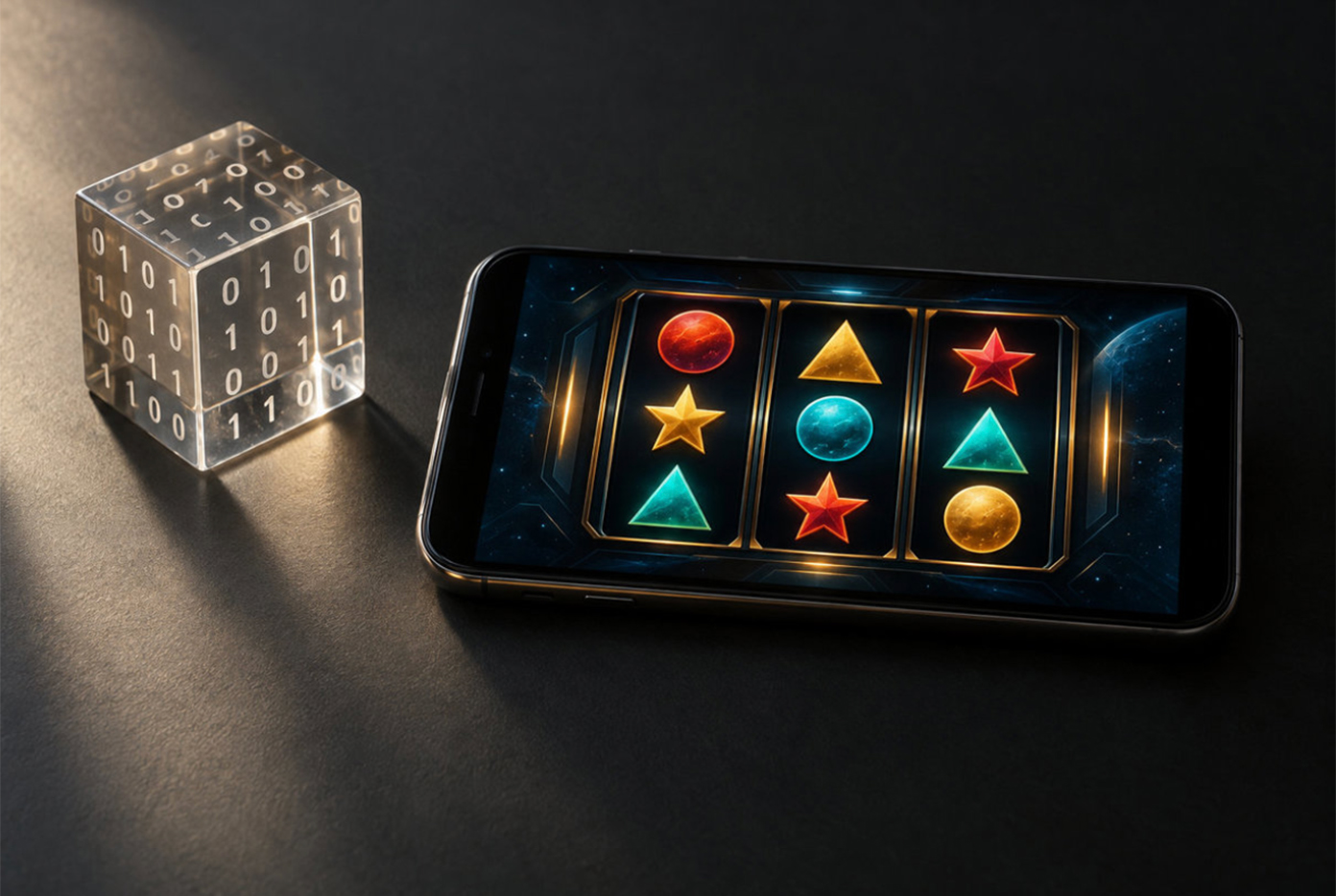
Star Wars casino games bring together iconic pop culture and the world of gaming, but creating an officially licensed title is much more complex than simply adding a lightsaber or Stormtrooper motif. These projects attract attention from both devoted fans and gaming regulators, demanding a careful blend of creativity, legal expertise, and ethical responsibility.
The enduring popularity of Star Wars means its branding is sought after by the gaming industry, particularly for casino-style titles. Fans are naturally drawn to the idea of experiencing a galaxy far, far away through interactive gameplay, whether in a land-based casino or online. Yet, there is a crucial distinction between games simply inspired by sci-fi aesthetics and those that are officially sanctioned Star Wars casino games. Developers of licensed content face a host of unique hurdles, needing to satisfy not only entertainment expectations but also navigate strict legal and regulatory requirements. Ensuring fairness and transparency for license holders and gaming authorities is an important aspect of development, but much more is required to launch these titles successfully.
Navigating franchise licensing for casino development
Securing rights to a major franchise like Star Wars starts with obtaining permission or a license, but it involves more than approval to use names and images. The rights-holder, typically a large entertainment corporation, provides detailed brand guidelines covering visual assets, audio cues, character portrayal, and even storyline elements. Each proposed feature or narrative thread may need review to prevent conflicts with canon or to avoid misrepresenting the essence of the intellectual property. Readers familiar with an official Star Wars game listing can see how closely sanctioned projects are tied to brand oversight.
Developers may work through several approval cycles. For example, character voice lines, slot reel symbology, and bonus features often must go back to the rights-holder for sign-off. An example of this is when a developer submits an early build of slot animations and branded music cues for evaluation; if the tone or style does not align with the Star Wars universe or current brand direction, feedback could result in multiple revision rounds. This process can extend timelines, as delays are common when a submitted build does not fully align with the brand vision or approved Star Wars canon. These requirements set branded titles apart from games based on original content, where creative freedom is generally broader.
Regulatory compliance across jurisdictions
No matter how compelling the theme, all casino games are subject to rigorous regulation that varies from one market to another. Each jurisdiction may set different rules for language, payout percentages, responsible gambling prompts, and acceptable in-game features. For instance, some regions prohibit references to specific forms of betting or limit aggressive imagery and sound effects that could heighten excitement too much.
Key areas under scrutiny include fair play, where independent test laboratories often verify that every player has a genuine chance of winning and that outcomes cannot be manipulated. These labs review the random number generator (RNG), which is the foundation for fair gameplay; clarity around how RNG works in casino games is essential to meet industry standards. For example, developers might have to create region-specific builds where auto-spin features are restricted in one country but permitted in another, or where certain bonus rounds are altered or removed to comply with regulations. Developers must also adapt content for different markets, reworking features to comply with local law, and ensuring all documentation passes regulatory review.
Balancing brand identity with player protection
The challenge for game creators is delivering a recognizably Star Wars experience while integrating required responsible gambling safeguards. Age verification measures must be robust, especially for an intellectual property with younger fans. For example, developers may implement custom age-gating pop-ups themed with the Star Wars motif, or limit advertising placements to age-restricted environments. In addition, developers need to ensure promotional language does not target minors or use familiar characters to encourage unsafe play. This affects not only the game itself but also how it is advertised and distributed on platforms that may set their own guidelines.
One frequent friction point is designing bonus rounds or jackpots that retain
flair without using themes or language that regulators see as glamorizing risk. For instance, a bonus game modeled after a lightsaber duel may need to avoid language like “battle your way to big wins.” Geo-availability restrictions can force developers to create multiple game versions to satisfy local requirements, fragmenting release strategies and complicating support.
Post-launch realities and ongoing responsibilities
Even after a licensed game launches, operational obligations continue. Regulators may demand audits or updates when laws change, such as patching a bonus feature in accordance with new maximum payout limits, while the rights-holder can require content revisions if branding evolves, like changing a character’s appearance based on a new film release. If the Star Wars license is sold or terms are re-negotiated, developers might need to withdraw or substantially alter the game, sometimes on tight deadlines.
Lessons from past launches
Looking at previous Star Wars casino game projects, it is common for technical compliance and backend preparation to go smoothly with experienced teams. However, creative review cycles are where surprises often arise, and brand sensitivities can trigger late design changes and delays. For example, a final approval might require the removal of a symbol that unintentionally resembles a lesser-known Star Wars character not intended for use, resulting in last-minute graphic changes. Transparent planning between all stakeholders, with embedded compliance and legal review from the outset, can reduce the risk of costly creative rewrites near launch.
Success with branded sci-fi casino games ultimately depends on cross-functional teamwork from day one. When legal, regulatory, and creative visions align early, the result is a game that meets the expectations of both Star Wars fans seeking authenticity and regulators focused on player safety and fairness.