


Arcane is the rare video game adaptation that people who have never touched the game call a masterpiece. Riot Games and Fortiche made two seasons of nine episodes, in 2021 and 2024, and both won the Emmy for Outstanding Animated Program. That’s the yardstick.
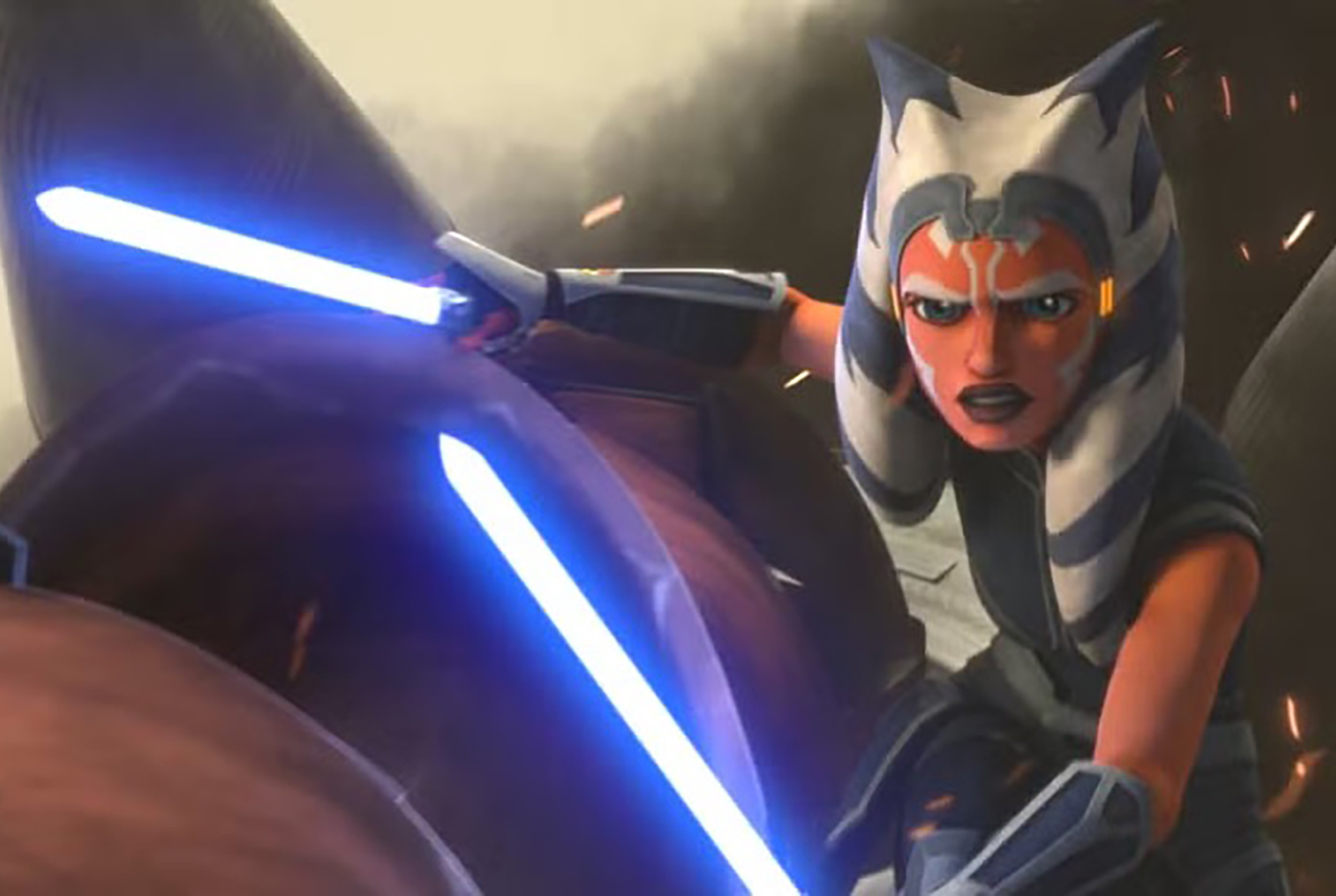
Lucasfilm hardly needs rescuing, mind. The Clone Wars turned Anakin into a tragedy worth caring about and gave us Ahsoka. Rebels built the warmest found family in the franchise. The Bad Batch looks gorgeous, and Visions proved the galaxy survives being handed to studios from Tokyo to Kilkenny. Plenty of fans will tell you Star Wars animation already looks great, and they’re right.
So this isn’t a plea to make Star Wars look like Arcane. The lessons worth stealing are about storytelling ambition: how far the medium can go when every frame is built to animate a feeling as well as a fight.
Why Arcane Set a New Bar for Animated Storytelling
Riot took its time, and the result is a show set in the League of Legends universe that never asks you what a champion is. Paris studio Fortiche wraps stylized 3D models in hand-painted textures, with highlights and shadows painted straight onto surfaces instead of left to a lighting engine. Many backgrounds are matte paintings projected onto simple geometry, so camera moves get real depth.
The cleverest trick is rhythm. Characters animate at 24 frames per second, while smoke, explosions, and Jinx’s manic scribbles are hand-drawn at 12, so the effects snap against the smoother acting. The character acting is keyframed rather than motion-captured, which lets animators push a face further than any mocap suit would allow.
Put it next to Spider-Verse, and you can see the animation industry walking away from the smooth, Pixar-style CG that has ruled since Toy Story. It looks stunning, but every visual choice exists to make you feel something about a character, and that’s the new bar for an animated series.
Let the Animation Style Shift With the Story
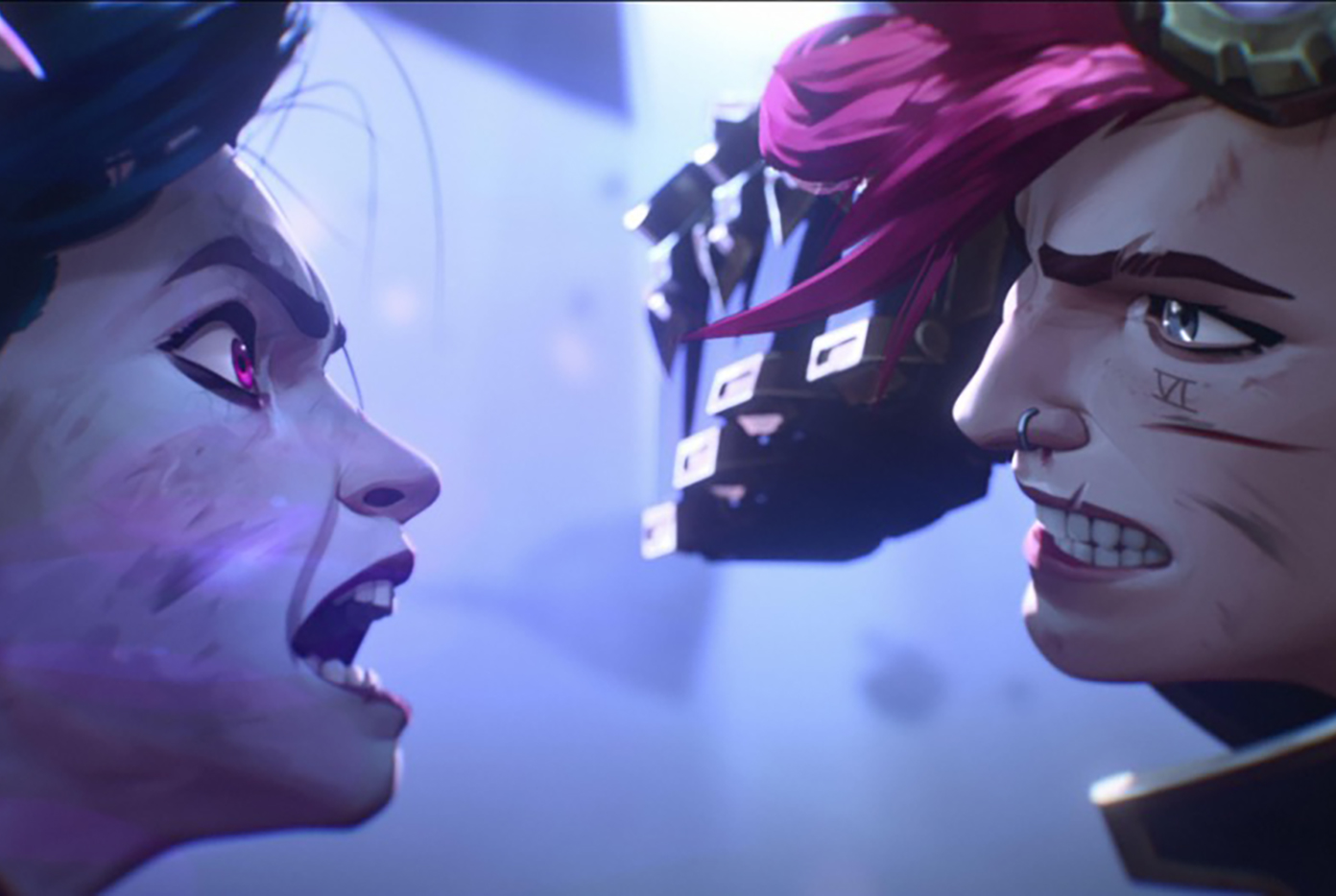
When Jinx comes apart in season one, the frame comes apart with her. Chalky scribbles crawl over the image, crayon doodles flicker across the walls, and the look tells you what’s in her head before she says a word. In Arcane, style is a story element that changes with the character.
Lucasfilm’s flagship animation has largely stuck with the CG look The Clone Wars introduced in 2008. It has been refined beautifully through season 7 and The Bad Batch, but a grief scene and a cantina brawl still share the same visual grammar.
Star Wars has survived stylistic swings before. Genndy Tartakovsky’s 2003 Clone Wars was all hard angles and swagger. Kamikaze Douga’s “The Duel” in Visions went black and white with flashes of color, and it’s still one of the coolest things in the franchise.
Maul: Shadow Lord, which hit Disney+ this spring, suggests the lesson has landed. Supervising director Brad Rau told SFX Magazine that Dave Filoni “wanted us to put the hand of the artist in every frame”. The team painted brush strokes on glass and scanned them in, and leaned on old-school matte paintings painted on real canvas. Coverage rightly lumped it in with Spider-Verse and Arcane.
The next step is bolder. Draw Force lightning and explosions at 12 frames per second so they crackle against the character animation. Paint a lightsaber duel’s glow by hand instead of trusting the renderer. Then let the whole frame crack when a character does.
Tell the War Through One City
Arcane’s setting is its story. Piltover glitters on top, Zaun chokes underneath, and the class divide plays out at street level: shimmer pumped into the undercity, children working the drug factories, enforcers kicking in doors. In episode 8, “Oil and Water”, a fight scored like a hero moment ends with a child worker killed by a blast from Jayce’s hammer. The music cuts out. So does the fun.
Vi and Jinx carry the same fracture. One sister ends up beside Piltover’s enforcers, the other becomes Zaun’s open wound, and every scene between them is the city arguing with itself, so two people end up carrying the world-building.
Star Wars animation thinks in galaxies. Slavery on Zygerria, occupied worlds, clones bred as disposable soldiers: it’s all there, usually as background to the next big battle. Rebels came closest with Lothal, and its best episodes are the ones that stay put.
Andor removes the excuse. Ferrix, with its salvage yards, curfews, and funeral riot, is Lucasfilm doing street-level politics brilliantly, just in live action. Animation simply hasn’t tried yet.
Treat the Show as a Front Door, Not Homework
Riot treated Arcane as a doorway into the League of Legends universe, and the research suggests it worked. A study published in the journal SERIARTE surveyed 425 viewers and found that 85.6% came away understanding League’s backstory better, and some who had never played downloaded the game afterward. An earlier Brazilian study from the Federal University of Pernambuco found the same pull, with some viewers starting to play after watching.
League is a famously unforgiving corner of gaming. Arcane converts landed in a ranked ladder with zero patience for anyone who learned Jinx from Netflix, and some skip the climb through LoL boosting instead of spending months in solo queue.
Star Wars has run this play before. For a generation of kids, the Clone Wars cartoons were the front door to the whole saga. Lately, the shows assign homework. Shadow Lord is a treat if you know Maul’s history across The Clone Wars, Rebels, and Solo, and a tougher entry point if you don’t. Arcane’s lesson is that the best on-ramp assumes nothing.
Make Music Carry the Scene
Arcane’s songs do narrative work. Imagine Dragons and JID’s “Enemy” sets the tone over the opening titles. Woodkid’s “Guns for Hire” plays as Jinx lights a flare for Vi, haunted by the friends she lost. Denzel Curry’s “Dynasties and Dystopia” yanks Jinx and Ekko back to childhood mid-fight. The music carries the character beats so the dialogue doesn’t have to.
Star Wars can’t drop a rap verse into a lightsaber duel, and nobody wants it to. In-universe music is fair game, though, and Andor already proved it with the Ferrix brass band leading Maarva’s funeral. Animation has even more freedom to let the score run whole sequences with nobody talking.
The template is already in the vault. Tartakovsky’s Anakin versus Ventress duel on Yavin 4 is close to silent: rain, lightsabers, and one primal scream. It’s still one of the best experiences in Star Wars animation.
Is Arcane-Level Animation Worth the Wait?
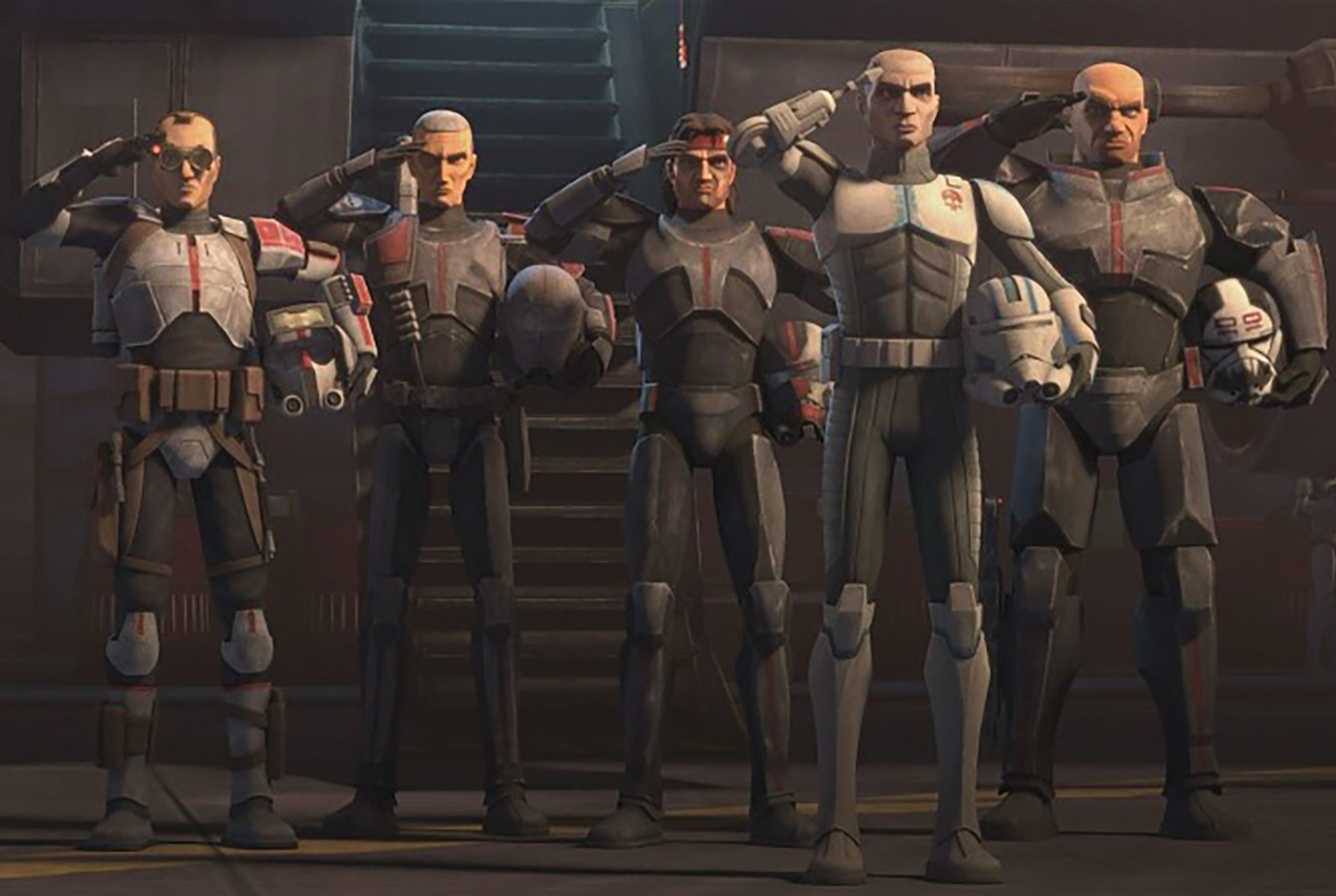
An r/starwarsrebels thread asked whether fans would wait three years between seasons if Star Wars shows looked as good as Arcane. The answer was mostly no. Commenters said the shows already look incredible, and one argued The Bad Batch’s animators are better than Arcane’s team and simply work with less money.
Arcane’s first season spent around six years in development, and Fortiche grew from roughly 15 people to more than 300. Each season ran nine episodes, three years apart, and Riot reportedly spent about $250 million on the pair, marketing included. Bloomberg later called it a TV hit and a financial miss. Across the same 2021 to 2024 stretch, The Bad Batch delivered 47 episodes.
So the choice looks like 18 episodes of high-wire craft or a steady weekly habit. Lucasfilm shouldn’t have to pick. Keep the flagship series on schedule and point the Arcane approach at limited runs. Tales of the Jedi, Empire and Underworld are already short, self-contained and character-driven. One Tales entry built Fortiche-style, with painted light and hand-drawn effects, would be the cleanest experiment Lucasfilm could run.