


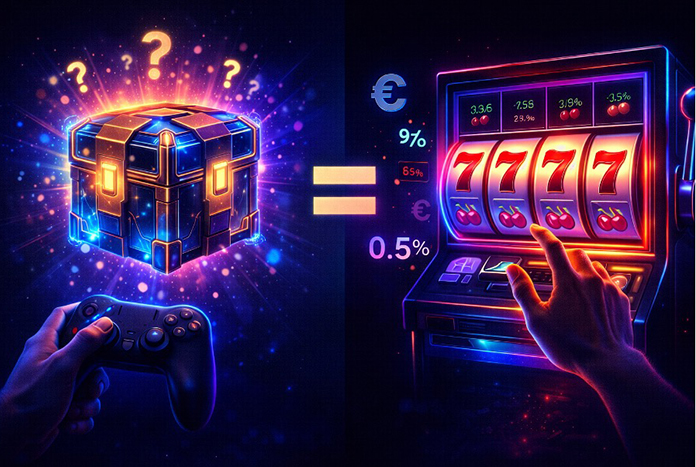
Regulators across the United Kingdom now draw direct comparisons between video game loot boxes and traditional gambling products. What started as simple in-game purchases has become a serious regulatory concern.
The gambling industry operates under strict oversight. Platforms including casinos not on GamStop face ongoing debates about player protection and responsible gaming measures. These same conversations now dominate the gaming industry. Parents and policymakers question whether children encounter gambling mechanics through their favourite video games.
Loot boxes vs slots
How Loot Boxes Work
Loot boxes are virtual containers within video games that players can purchase, often with real money. Upon opening, they reveal randomised rewards ranging from cosmetic items like character skins to gameplay-affecting weapons or abilities. The key element drawing criticism is the randomised nature of these rewards. Players never know precisely what they will receive.
This mechanic bears striking resemblance to slot machines, where outcomes are determined by random number generators. The anticipation, the reveal, and the variable reward schedule all trigger similar psychological responses in the brain.
The Psychology Driving Both Systems
Loot boxes and slot machines exploit the same behavioural principle. Psychologists call it variable ratio reinforcement.This reward schedule provides unpredictable payouts. Research shows this approach is the most effective method for encouraging repeated behaviour.
The BBC reports on studies showing loot boxes activate the same neural pathways associated with gambling addiction. When you open a loot box, your brain releases dopamine in anticipation of a potential reward. The actual outcome matters less than the anticipation. This creates a loop encouraging continued purchases.
Dr David Zendle at York St John University has studied correlations between loot box spending and problem gambling behaviours. His findings show individuals who spend more on loot boxes are significantly more likely to exhibit gambling-related harm.
How European Countries Have Responded
Several European nations have taken action against loot box mechanics:
- Belgium declared loot boxes illegal gambling in 2018. Publishers removed them from games sold in the country.
- Netherlands ruled certain loot boxes constitute gambling under existing law.
- Germany implemented age restrictions on games containing paid loot boxes.
- Spain introduced regulations requiring odds disclosure and spending limits.
The United Kingdom has taken a slower approach. The Gambling Commission maintains loot boxes do not meet the legal definition of gambling. Their reasoning: items obtained have no official cash-out option. This position faces increasing challenge. Secondary markets allow players to trade or sell virtual items for real money.
Gaming And Gambling Industries Merge
The boundaries between gaming and gambling continue to fade. Traditional gambling software providers recognise the crossover potential. Developments such as NetEnt and Playtech on console show how casino mechanics enter mainstream gaming environments.
This merger raises concerns about exposure and normalisation. When young players encounter slot-like mechanics in video games, they become familiar with gambling patterns early. Research indicates early exposure to gambling-like experiences increases susceptibility to problem gambling later in life.
How The Industry Defends Loot Boxes
Video game publishers defend loot box mechanics, insisting that they are fundamentally different from traditional gambling. Their main argument is that players always get something from every purchase. This is unlike traditional gambling, where participants can lose everything.
Publishers also emphasise that virtual items have no real monetary value, as clearly stated in their terms of service. Loot boxes remain a completely optional feature. No game requires these purchases to progress.
These arguments face growing scepticism. The House of Lords Gambling Committee recommended in 2020 regulating loot boxes under the Gambling Act. Organisations like GamCare express concern about impact on vulnerable individuals, including those with existing gambling problems.
Potential Solutions Moving Forward
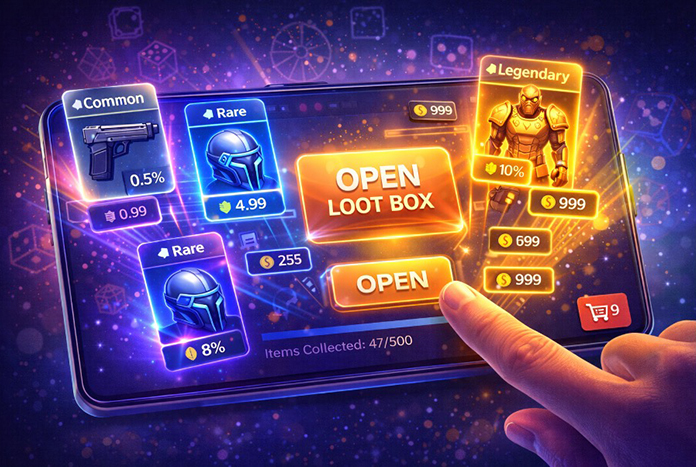
Several possible solutions were proposed during the discussion. Among the regulatory options considered was classifying paid loot boxes as gambling in accordance with current legislation. Mandatory disclosure of information about the probability of winning for all random purchases. The introduction of spending limits and waiting periods, as well as a ban on loot boxes in games intended for children.
Some publishers have already taken voluntary measures. Some companies now disclose the odds, and some games offer direct purchase options alongside loot boxes. Major platforms have implemented age restriction measures.
Conclusion: A Crossroads For Both Industries
The criticism facing loot boxes and online slot mechanics reflects broader concerns about gambling-like systems affecting vulnerable individuals. Change appears inevitable through formal regulation or industry self-governance.
You hold the most effective tool: awareness. These mechanics are designed to encourage spending through psychological manipulation. Understanding this helps you make informed decisions. If you have children who play video games, familiarise yourself with parental controls. Prevent unwanted purchases by reviewing game settings.
The debate surrounding loot boxes and their comparison to gambling mechanics will continue shaping policy for years. The gaming industry faces the same scrutiny the gambling industry has faced for decades.