


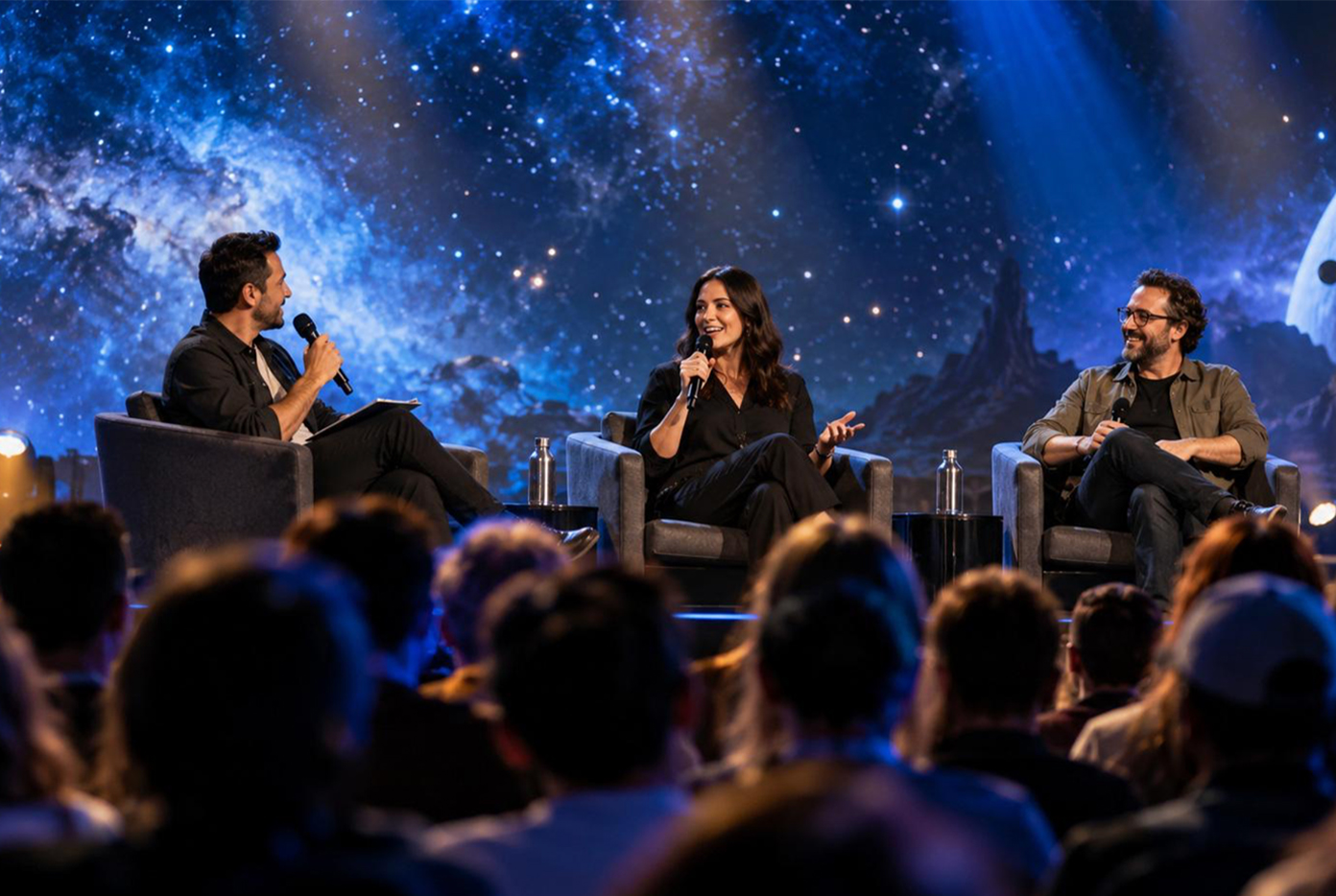
A convention panel can have extraordinary guests and still feel strangely flat. The introductions drag, a promising anecdote is interrupted, or nobody explains what the audience should expect next. Another panel, with fewer announcements, can become a highlight because a host understands how to give the room a shared rhythm.
That craft also appears in other hosted formats, including live social casino games, where live presenters guide players through each round. Across otherwise very different entertainment traditions, a presenter has to make the live sequence easy to follow. An introduction, a pause and a well-timed handover can change how comfortably someone joins the event.
For fans who spend time watching stage interviews and streamed celebrations, the host’s contribution is often easiest to notice when it is missing.
A stage needs more than a running order
The official Star Wars schedule for Celebration Japan 2025 combined major productions, conversations and live events. Such variety creates a practical presenting challenge. An audience moving from an announcement to a discussion needs a clear change of pace, not simply another name read from a card.
A capable host establishes the purpose of each moment. They give a guest enough room to answer, help newcomers understand context and recognize when the audience needs time to react. The running order becomes an experience through those decisions.
This is especially important on a stream. People arrive after the beginning, watch from different environments and may not share the same knowledge. Short, natural orientation helps them follow the event without forcing everyone else through a lengthy recap.
The audience has always helped make the show
The Globe traces the history of its standing audience, the groundlings, through a theatrical tradition in which the crowd occupies a conspicuous place around the stage. It is a useful reminder that presentation has never been only about transmitting material in one direction.
Digital formats change the available signals, but the underlying question remains: how does the event acknowledge the people following it? A host may use a pause, a clear explanation or a measured shift in tone. Constantly demanding a reaction is a much less convincing answer.
The format still determines what participation means. A convention audience can respond to a guest; a hosted chance-based game follows its own rules and random outcomes. A presenter’s warmth changes the atmosphere, not those rules.
For event viewers, this provides another way to appreciate a good panel. Look beyond the announcement and notice the handovers, the follow-up questions and the moments when someone wisely stops talking. They are small pieces of craft that let the bigger moment register.
The screen becomes an event when its sequence feels considered and its audience feels acknowledged. The person holding the microphone often has more to do with that than the size of the stage.