



Every year, YouTube and social media sites change the rules for videos. But in 2026, people won’t be looking for the next big dance or filter. A lot of strange clips have already been seen by people. For now, they keep coming back because the forms are familiar, the stories are compelling, the fans are enthusiastic, and the producers look like real people, even though they utilize a lot of technology behind the scenes.
This means that the tools artists utilize are becoming just as significant as the ideas they have. You may turn raw phone footage into a completed short, a vertical teaser, or a long-form analysis. You also don’t need a studio or a lot of money. It’s all possible with a simple video editor that you can use in your browser. The cost of entry has gone down, thus in 2026, the real competition will be for people’s attention, not their equipment.
Short meets long in the same channel
Short-form video will still dominate feeds in 2026. Reports from social media analytics companies already show that short clips bring the best ROI for many marketers and brands, with a clear preference for vertical, under-one-minute formats on TikTok, Reels and YouTube Shorts.
But the story doesn’t finish after 30 seconds. People watch short snippets to find new producers, and then they watch longer videos to get to know them better. YouTube’s own Culture & Trends reports describe how creators build “digital franchises” around recurring formats: series, multi-part explainers, reaction shows and lore breakdowns.
A typical 2026 channel is likely to mix:
- Ultra-short hooks: 15–45 second highlights, reactions, micro-memes and fan moments optimised for fast swipes.
- Structured mid-length videos: 8–20 minute essays, guides, gameplay sessions or commentary that reward those who choose to stay.
This “ladder” format lets viewers join through a quick clip, then climb into richer content without leaving the channel. For creators working with clideo or similar platforms, this means planning a project as several cuts of the same footage: a full version, a re-framed vertical take, and micro-moments for Shorts.
Fandom as the main engine of reach
Pop culture is no longer something people simply consume. YouTube’s recent trend data shows that a large majority of Gen Z identify as fans and actively create content around what they love – games, films, series, fictional universes and even niche hobbies.
This has a direct impact on video trends:
- Fan-made continuations of stories: alternative endings, “what if” timelines, character studies, edits built from existing footage.
- Explainer and lore channels: breaking down timelines, hidden references, easter eggs and background details from franchises.
- Community-driven forms: include Q&A shows, responding to fan theories, and showing off community art or clips.
In 2026, stations that act like hubs for a fandom instead than just broadcasting will develop quicker. They give viewers a reason to return between official releases: breakdowns of trailers, analysis of soundtracks, comparisons with older material, timelines of how a character evolved.
Authoritative sources like YouTube’s own culture hub at https://www.youtube.com/trends/ confirm that the line between “fan” and “creator” is fading, as audiences remix and expand the worlds they care about rather than passively watching them.
For video makers, this means two concrete steps:
- Choose a world, genre or theme to stick with long enough to build a recognisable universe on the channel.
- Use tools like clideo to quickly turn community moments – duets, stitches, stitched reactions, fan comments – into content that feels like a shared project.
AI-assisted creation with a human core
Generative AI used to be a buzzword, but today it’s just a common part of life. Social media data from 2025 shows that most marketing teams use AI to handle simple things like coming up with ideas, writing comments, and making modifications.
People will be used to viewing movies with AI in them by 2026. What they will still notice is if a creative person has something to say. The winning pattern looks like this:
- AI helps with structure: outlines, beat-sheets, chapter proposals, title variants.
- Human judgment shapes tone and insight: which angle feels original, which joke lands, which scene actually matters.
- Automation handles repetitive edits: resizing, reframing, basic colour tweaks, auto-subtitles.
A cloud service like clideo fits naturally into that stack. Clips can be generated, trimmed and adjusted in a browser, with AI assisting in adding subtitles or cutting silence, while the creator focuses on pacing, storytelling and what the video actually adds to the conversation.
The key trend for 2026 is not “AI replaces creators”. The real pattern is “AI makes it harder to hide a weak idea behind fancy packaging”. As more people gain access to similar tools, the edge belongs to those who bring specific knowledge, a recognisable voice, and consistent respect for their audience’s time.
For deeper context, YouTube’s own Culture & Trends reports on virtual creators and new forms of digital performance show how synthetic avatars and AI-generated personas are becoming part of mainstream video, not a side experiment.
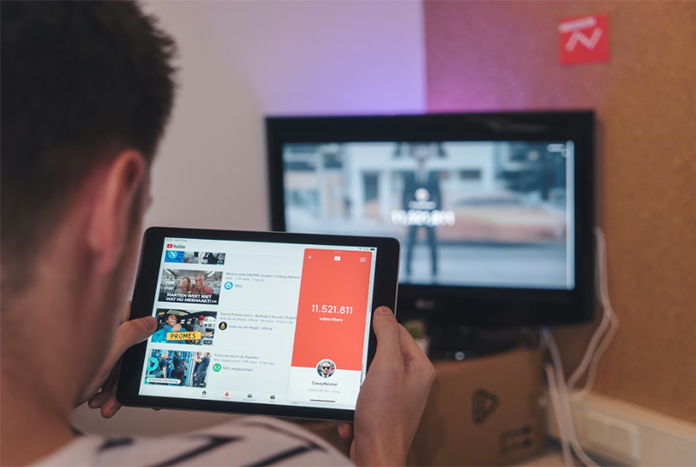
Live, interactive and shoppable video
Short clips and classic uploads will stay central, yet 2026 will give more weight to formats that allow viewers to participate in real time. Social media research already highlights the rise of:
- Live streams feature organized parts like news recaps, “office hours,” live watch parties, and co-commentary.
- Some interactive tools are surveys, Q&A modules, clickable overlays, chapter markers, and prompts that come up on the screen.
- Shoppable video: live demos of products, listings of related products, and groups of affiliate products.
For creators, live video is useful for testing ideas quickly. A concept that resonates live can later become a refined, edited piece. A full stream might be chopped into themed mini-episodes, shorts and reels using a browser-based editor. This blended approach respects how people actually watch:
- Some prefer to be there in the moment, typing in chat.
- Others discover the channel through a 40-second clip that summarises a live segment.
- A smaller, loyal core watches or listens to full replays in the background.
Authoritative marketing statistics, like those collected by MotionPlay Studio and similar research hubs, show that audiences are steadily spending more time with video overall, while platforms reward creators who keep viewers in their ecosystem through layered content: short, long and live.
How creators can prepare for 2026
The people who can most easily adapt to living in 2026 probably won’t be the ones with the most costly gear. They will be in responsible of making a system that can be used over and over again. It should have obvious themes, standard formats, and a smooth flow of technology that can turn a concept into content for a lot of different platforms.
This is what a useful plan for the next year looks like:
- Set a small number of forms that will happen over and over. For example, a weekly news summary, a long piece, a live Q&A, and a focus on the community.
- Plan each shoot for multiple outputs. One recording session leads to a long main video, several Shorts, a few image thumbnails and one or two clips tailored for other platforms.
- Standardise the toolkit. Use the same recording setup and editing stack across projects so that the technical side feels routine.
- Track responses based on format, not only topic. Compare completion rates for short clips, mid-length videos and live replays using platform analytics.
- Put money into being found. The titles, thumbnails, chapters, playlists, and internal linking are more significant than the film itself.
This is where a service like clideo can quietly support growth. Creators who build a simple, repeatable workflow – recording on a phone or camera, trimming in a web interface, using a mobile editor such as Clideo’s iOS app https://apps.apple.com/us/app/clideo-video-editor/id1552262611, then exporting right into YouTube or social feeds – give themselves room to focus on story, community and craft instead of technical friction. In 2026, that combination of consistent formats, adaptive tools and genuine connection will matter more than any individual trend.