


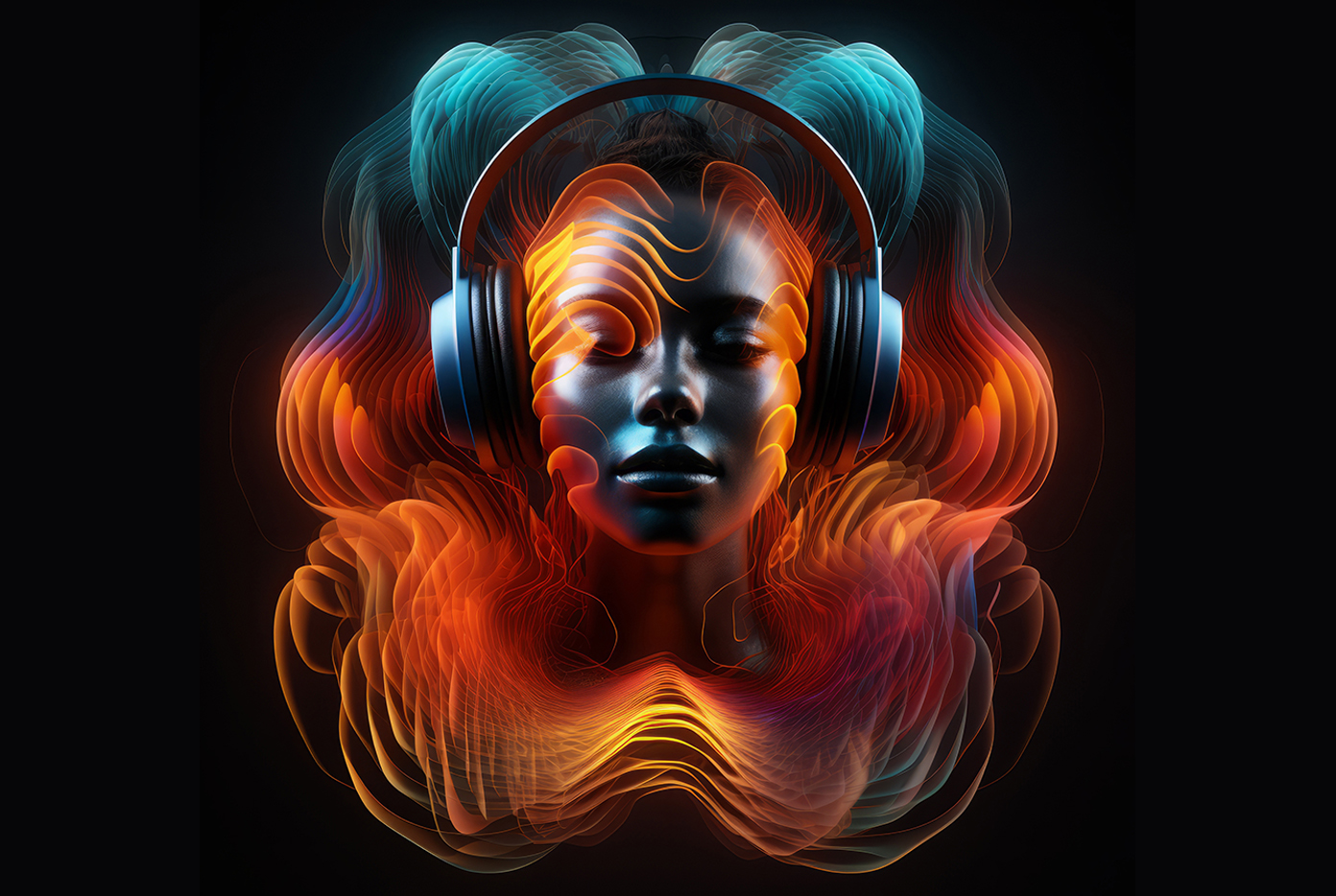
Walk into almost any lounge, beach club, or late night radio stream right now and there is a good chance you will hear it: a warm bassline, a soft chord stab, maybe a whispered vocal hook floating somewhere above the beat. It never quite shouts. It never needs to. That quiet confidence is the signature of a genre that has outlasted countless trends, filled countless dance floors, and somehow still feels fresh decades after it first appeared.
Electronic dance music has produced hundreds of subgenres over the years, many of which peaked hard and faded even harder. Yet this particular sound keeps returning, generation after generation, because it was never built around a fad in the first place. It was built around feeling.
That sound is deep house music, and if you have ever wondered what separates it from the rest of the club music landscape, the answer starts with mood rather than tempo. For a full breakdown of its tempo range, instrumentation, and vocal style, read more in this complete guide. But the short version is this: deep house prioritizes atmosphere over adrenaline, and that single choice has shaped everything about how the genre sounds, where it gets played, and why it refuses to disappear.
A Sound Rooted in Soul, Not Spectacle
Most club genres are built for peak moments. Big drops, sudden drum fills, a crowd throwing their hands up on cue. Deep house was never interested in that formula. Instead, it borrows its emotional palette from jazz, soul, funk, and gospel, genres that value groove and texture over shock value.
According to Wikipedia’s entry on the genre, deep house began fusing the rhythmic backbone of Chicago house with the lush chords of 1980s jazz funk and touches of soul music, a combination that gave it a noticeably warmer character than the more mechanical club sounds surrounding it at the time. That warmth is still the genre’s calling card.
Where standard club tracks aim for maximum energy from the first beat, deep house builds slowly. It trusts the listener to stay engaged without being pushed. The result is music that feels less like a performance and more like a mood you step into.
What Makes the Sound So Recognizable
A few defining traits show up again and again across the genre, no matter the era or the artist:
- Relaxed tempo. Tracks generally sit in a slower, groove focused range rather than sprinting toward peak time energy.
- Rounded, rolling basslines. The low end carries the track without ever turning harsh or aggressive.
- Jazz influenced chords. Rich harmonies and extended chords give the music a sense of depth that simpler dance tracks often lack.
- Sparse, emotional vocals. Rather than a full pop style hook, vocals tend to arrive in fragments, samples, or restrained phrases.
- Atmosphere over intensity. The goal is immersion, not adrenaline.
These are not rules carved in stone, and producers bend them constantly. But together, they explain why a deep house track can sound instantly familiar even to a listener who has never studied the genre closely.
Why the Genre Refuses to Age
Plenty of electronic music trends feel locked to a specific decade the moment you hear them. Certain drops, certain synth patches, certain production choices instantly date a track. Deep house has largely avoided that trap, and there are a few practical reasons why.
First, it leans on musicality rather than novelty. Jazz chords and soulful phrasing do not go out of style the way a specific synth preset can. Second, because the genre was never built around maximum intensity, it never had to keep escalating to stay exciting. A slower, more textured groove ages more gracefully than a formula built entirely around shock and drop.
There is also the simple matter of versatility. Few dance genres work equally well in a packed club, a quiet coffee shop, a long drive, or a work playlist. Deep house does. That flexibility keeps it relevant across very different listening contexts, which in turn keeps it circulating on streaming platforms, radio shows, and festival lineups alike.
The People Who Shaped the Sound
No conversation about the genre’s staying power is complete without mentioning the artists who built its foundation. Chicago producers of the 1980s took house music’s rhythmic core and layered it with softer, more emotional textures, eventually giving the sound its own identity separate from mainstream club house.
From there, the influence spread outward. New York and New Jersey producers added their own garage inflected warmth. Detroit contributed a rawer, funk driven edge. Europe eventually adopted and reshaped the sound for its own club culture, and streaming platforms later introduced it to an entirely new generation of listeners who may never have set foot in an underground club.
That lineage matters because it shows the genre was never a single formula handed down unchanged. It has always evolved through the hands of different producers, in different cities, responding to different musical traditions, while somehow keeping its core identity intact.
Where You Will Hear It Now
Today the sound shows up in far more places than it did in its early underground years. It soundtracks:
- Rooftop bars and sunset sessions
- Long form radio mixes and DJ sets
- Festival side stages built around groove rather than spectacle
- Streaming playlists made for focus, travel, or unwinding
According to MasterClass’s overview of the genre, many of the artists who defined the sound in its earlier years were once among the most popular names in dance music, with their tracks played alongside house, techno, and hip hop across major club scenes. That broad appeal has only grown as streaming has made the genre easier to discover outside traditional nightlife spaces entirely.
A Groove Built to Last
What ultimately separates this genre from so many others is patience. It does not chase a single explosive moment. It builds a feeling and lets that feeling carry the listener through an entire set, an entire evening, or an entire commute.
That patience is exactly why it continues to thrive decades after its first tracks were pressed onto vinyl in Chicago basements. Trends built around novelty eventually run out of new tricks. Music built around genuine emotional depth rarely does.
As dance music continues to splinter into countless microgenres, this particular sound remains a steady, recognizable constant, proof that groove, warmth, and musicality never really go out of fashion.
Image: Magnific