Star Wars: Shatterpoint has arrived, and I have been really enjoying playing it with my son Charlie. However, there’s been so many releases that the painting side of it has been a bit delayed. Of all things, I actually wanted to start with the terrain and the bases of the characters. I knew one of the colours that I absolutely wanted – the rails, walkways, and grey parts of the bases to match that of the infamous Imperial corridors. So began my search for a paint colour that would be as close a match as I could manage. My first port of call was the brand I usually always use: Citadel paints. Eshin Grey looked pretty close, and I then checked some of the other well-known brands: Vallejo, Army Painter, Two Thin Coats. All of them had colours that looked close, and I was about to begin picking some up before I ran across a company I had not heard of before. Enter Archive X.
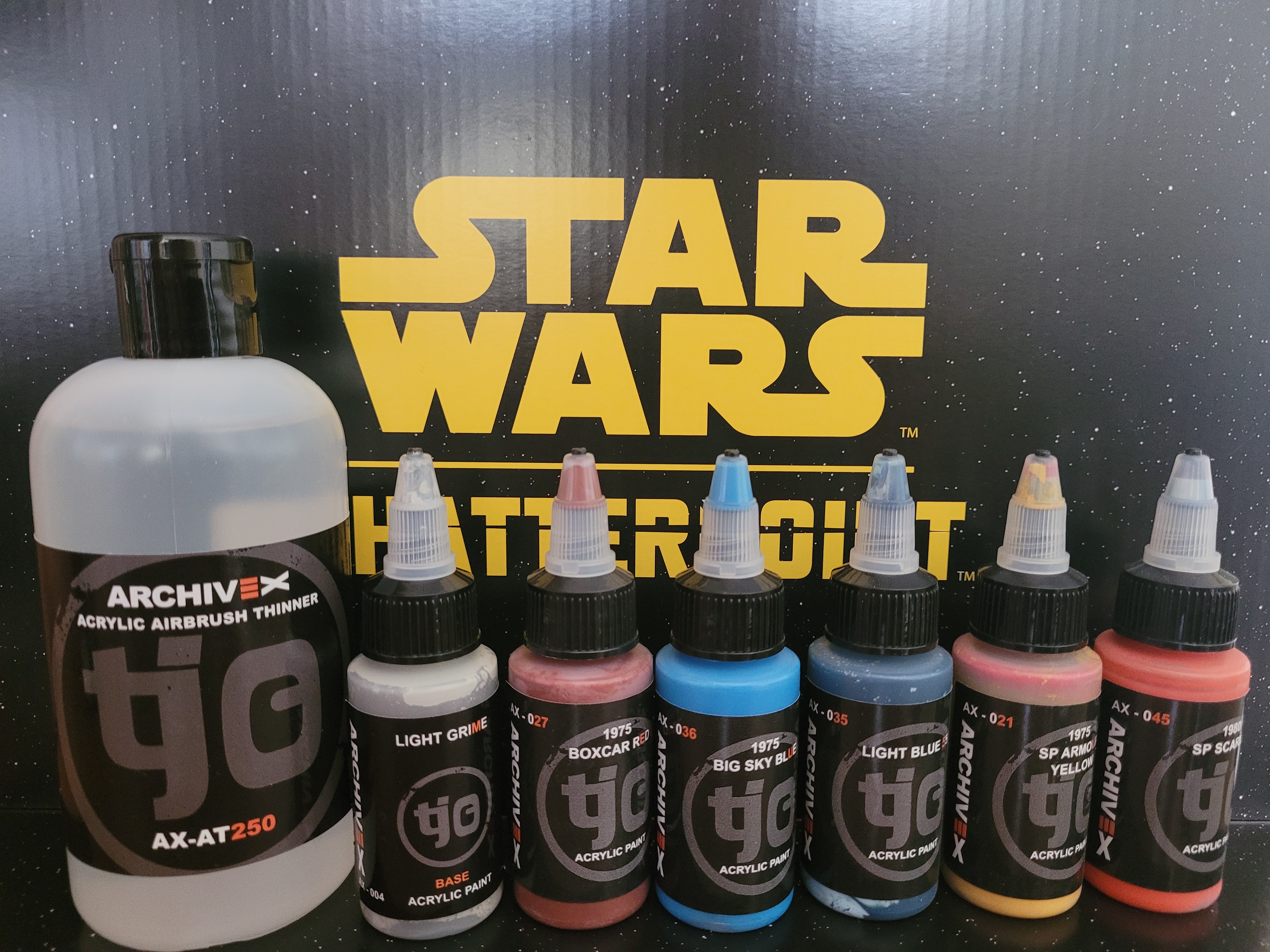
Archive X is a company set up by Guy Cowen in 2017 to help studio-scale model builders replicate the paints and colours that were used by Industrial Light and Magic (ILM) back in the mid 1970s on Star Wars. Initially, Guy was just looking for the colours for himself, as he himself had delved into the hobby of building incredible models from the Original Trilogy films. But as he continued, it became a passion, and he thought that others might also want to use the same colours. He began producing enamel paints of twenty-eight of the colours that ILM had used, the perfect type of paint for the models he and others were using (but not so great for miniatures like those used in Shatterpoint). However, this soon moved towards acrylics, which sold far more than the enamel paints, and coincidentally can be used for models like Shatterpoint. Acrylic X has never advertised, which is probably why I had not come across them before, and the distribution is now handled by Element Games here in the UK and New Type in the USA.
You can imagine my interest was at its peak, as this sounded exactly what I wanted to use for Shatterpoint. As I mentioned it to my friends, they were all interested and thought they needed this too! Speaking to Guy, he was very clear that using Archive X paints isn’t like using others and I can see why he wants to be very obvious on this point.
If you get Citadel Paint, you are buying a colour that does what it says. For example, in my early days of painting I would have a brown called Dryad Bark. No surprise that I would use it when painting wood and trees. If something was a flesh colour, I’d use the corresponding paint name. As I moved on as a painter though, I then thought of paints as less of a name and more of what that colour matches, so I can use it.
Archive X is more about this type of thinking. You can’t just pick up a paint that says Millennium Falcon colour because it doesn’t exist. This isn’t a pick-a-paint and use only that. Archive X is for having the same colour palette that ILM used back in the 1970s. It’s about mixing and utilising what they used back then. These colours are what the California team (rather than the British team) used when creating the models that were used in the movies. They have a particular matte finish that gives them that certain look. It’s this that made me so excited, that I could experiment and use the colours as those same model makers on the models I want to paint.
Just to give you an example of how the paint palette works on models. Guy gave me the example of the red stripe on the A-Wing Starfighter. You can’t just put a red onto a model and hope it looks like how it does in the movies. You have to paint it red, but then use a completely different paint that is a lighter blue-grey colour to spray over the top in a mist, to distort it and give it that worn look. In other words, these paints need you to research and use different techniques and layers in order to be able to get a desired effect. Rather than putting me off, this was making me more and more sure these were the paints I wanted to use.

Guy explained that he had also heard that his work had really taken off. In Andor, Solo and Kenobi, the models created for these shows actually have been painted using Archive X paint. Guy said that really was one of the best feelings in the world to have. Having spent so long researching and getting these paints correct from Star Wars history, to then having them used in Star Wars now, is something else entirely. The Millennium Falcon maquette they used for Solo was painted with Archive X paints. For someone who set up a company solo, who worked by themselves to achieve this, that is quite an accolade in anyone’s book. And it’s not just Star Wars. Model makers from Marvel and Batman (to name a few) use Archive X paint.
So, what makes the paint different to what is out there? As I mentioned, it’s the same palette used by ILM for the Original Trilogy. I was sold by this alone! The matte finish, particularly when you see it in person, really adds something to the paint work. The coverage of the paint should be much better than other brands available. Most other brands have 8% pigmentation, Archive X has over 20%. This means the paint should have much better coverage.

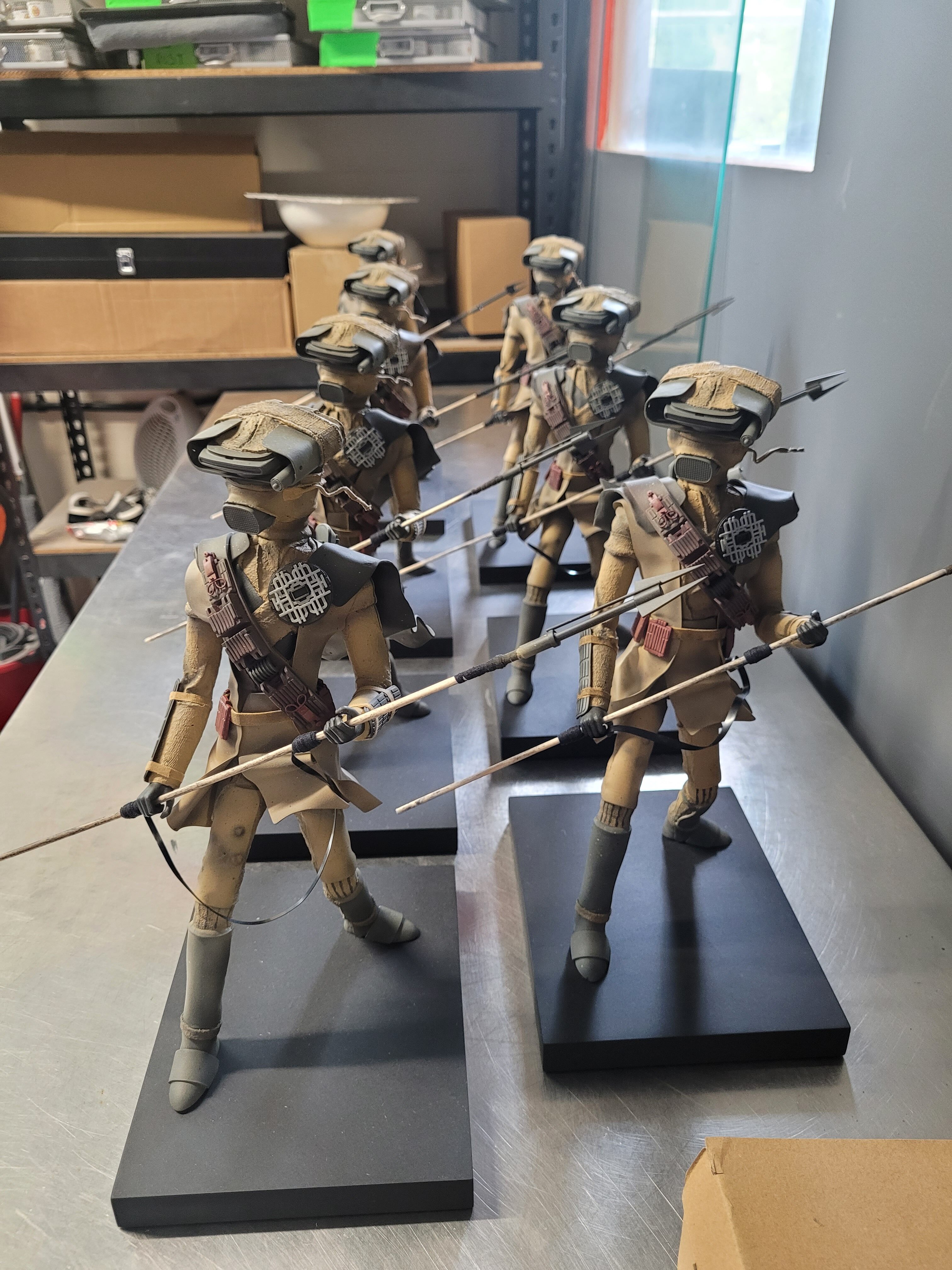
When I heard this, my first thought was yellow. I don’t know about anyone else, but I hate painting yellow with a passion. I have yet to find a yellow with decent coverage that won’t need goodness knows how many coats. With Archive X, I might have finally found the solution. Same with white, where the base formula for the paint is white without any pigmentation, which should make the paint extremely effective. There are 42 paints in the range, although Guy has access to over 170. Some he says just aren’t worth producing, but he is hoping that by the end of the year, the range will hit the fifty mark. Notably coming out in the next few months are the black used for Darth Vader, the blue for R2-D2, and a range of metallic colours. I was excited to hear about all of these and immediately thought I could use the whole range for Shatterpoint.
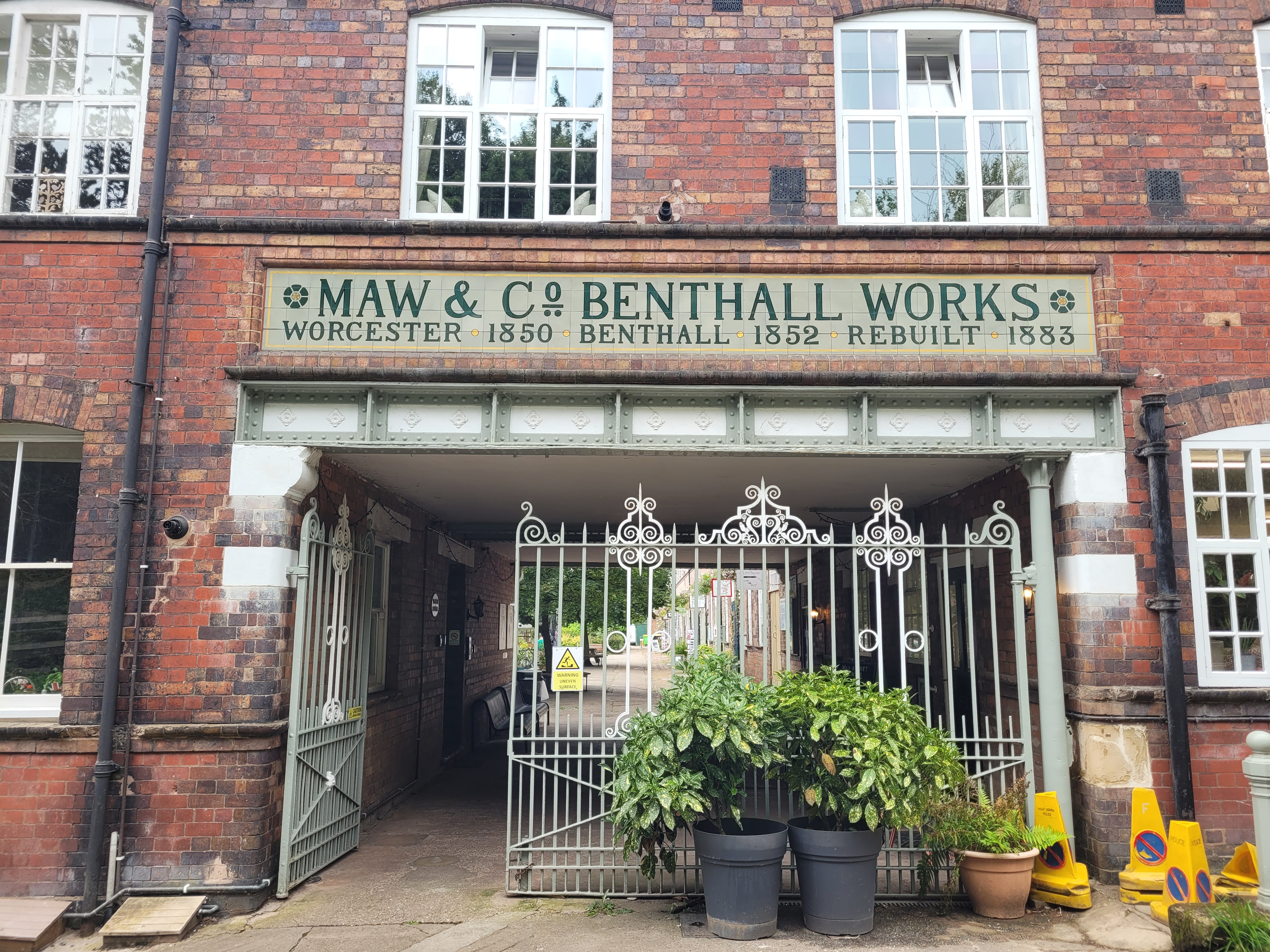
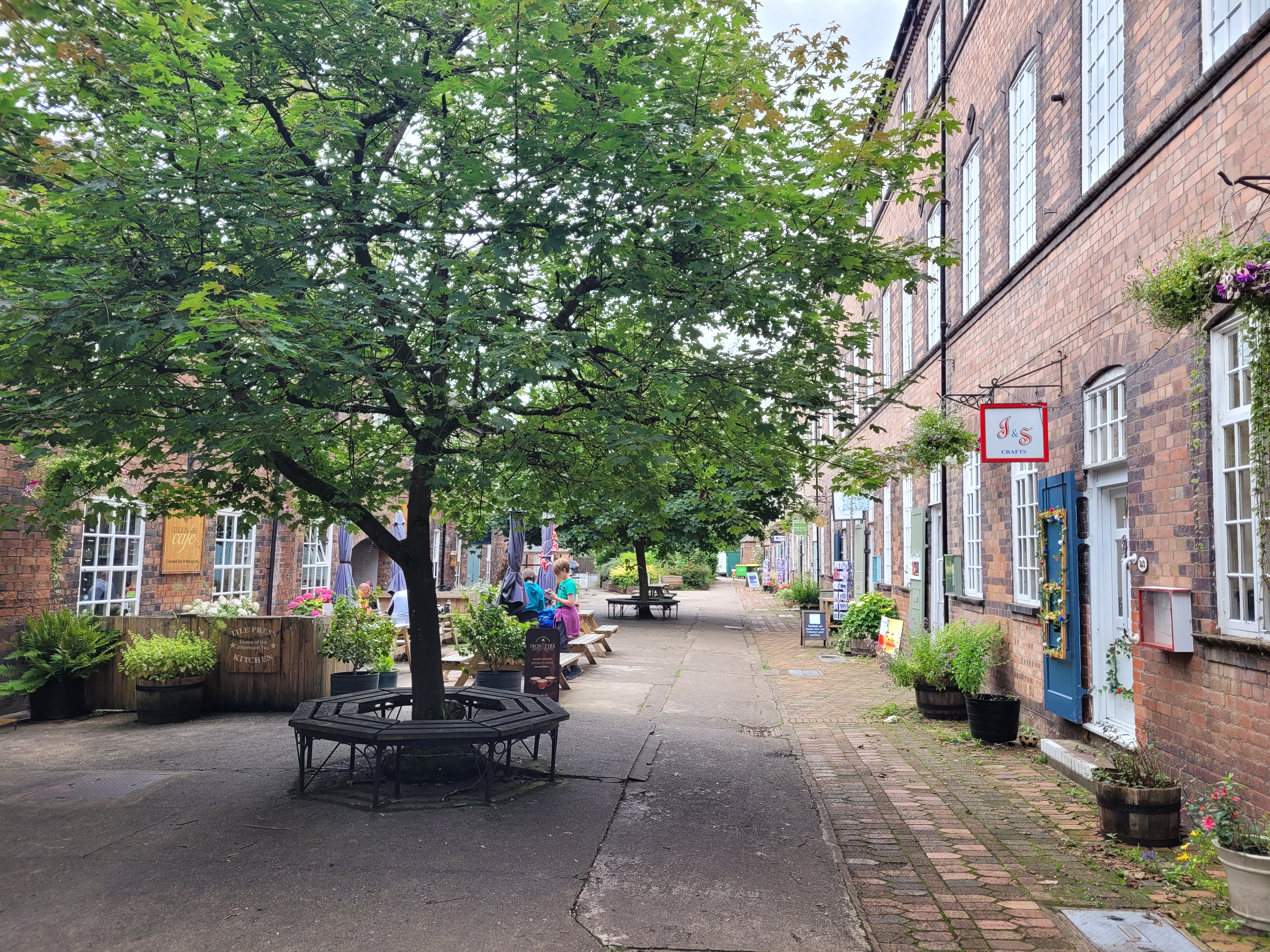
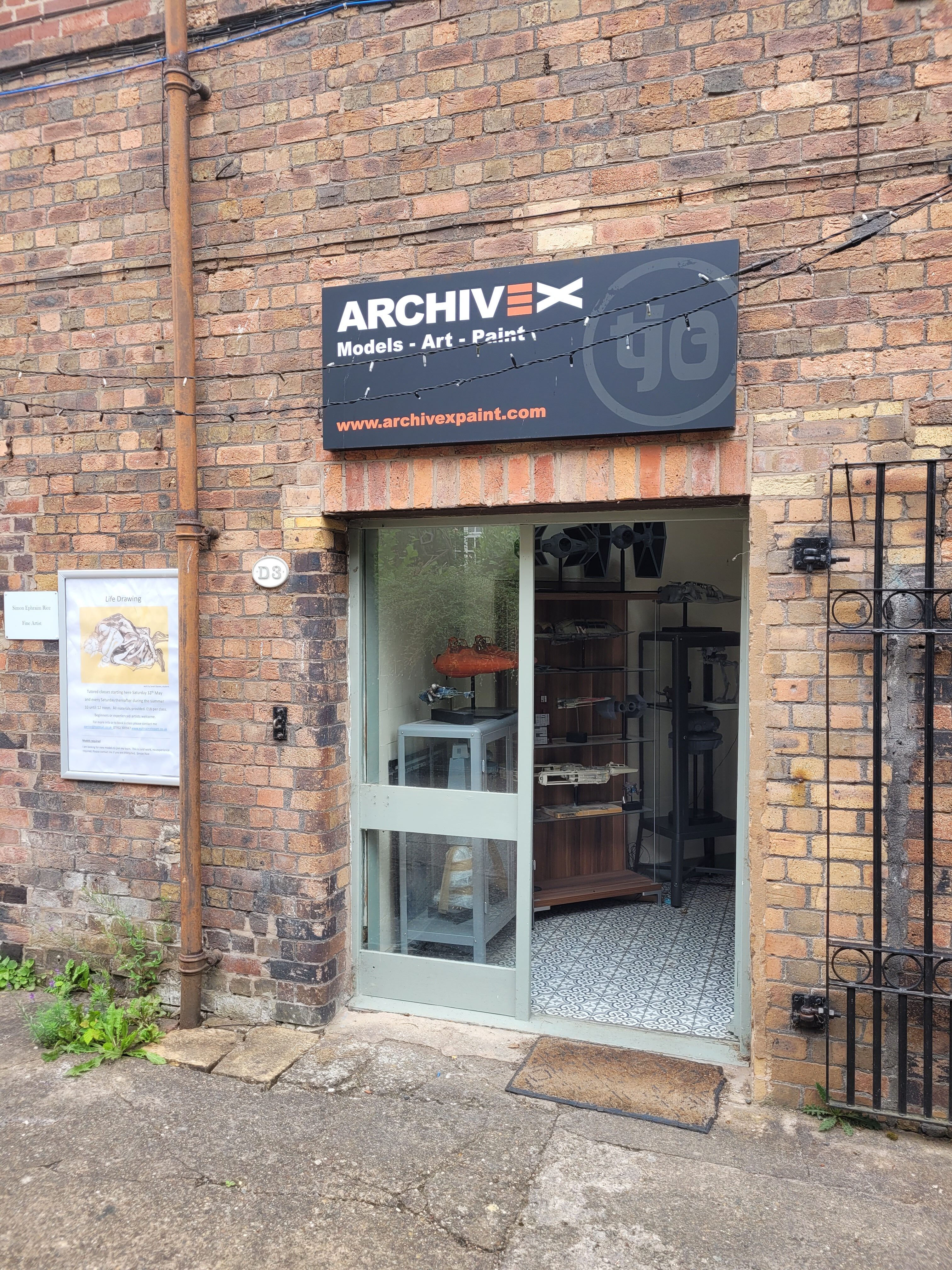
Guy was then kind enough to invite me to his workshop, which isn’t too far from where I live. Just outside of Ironbridge (which is easy walking distance), hidden away is the Maws Craft Centre. Having visited Ironbridge several times, I couldn’t believe I hadn’t found this place before. There is a beautiful array of shops and a cafè in this traditional setting, and I know I’ll be going back to have a proper wander around. Towards the back of these businesses is Archive X. As soon as I went through the door I was blown away.
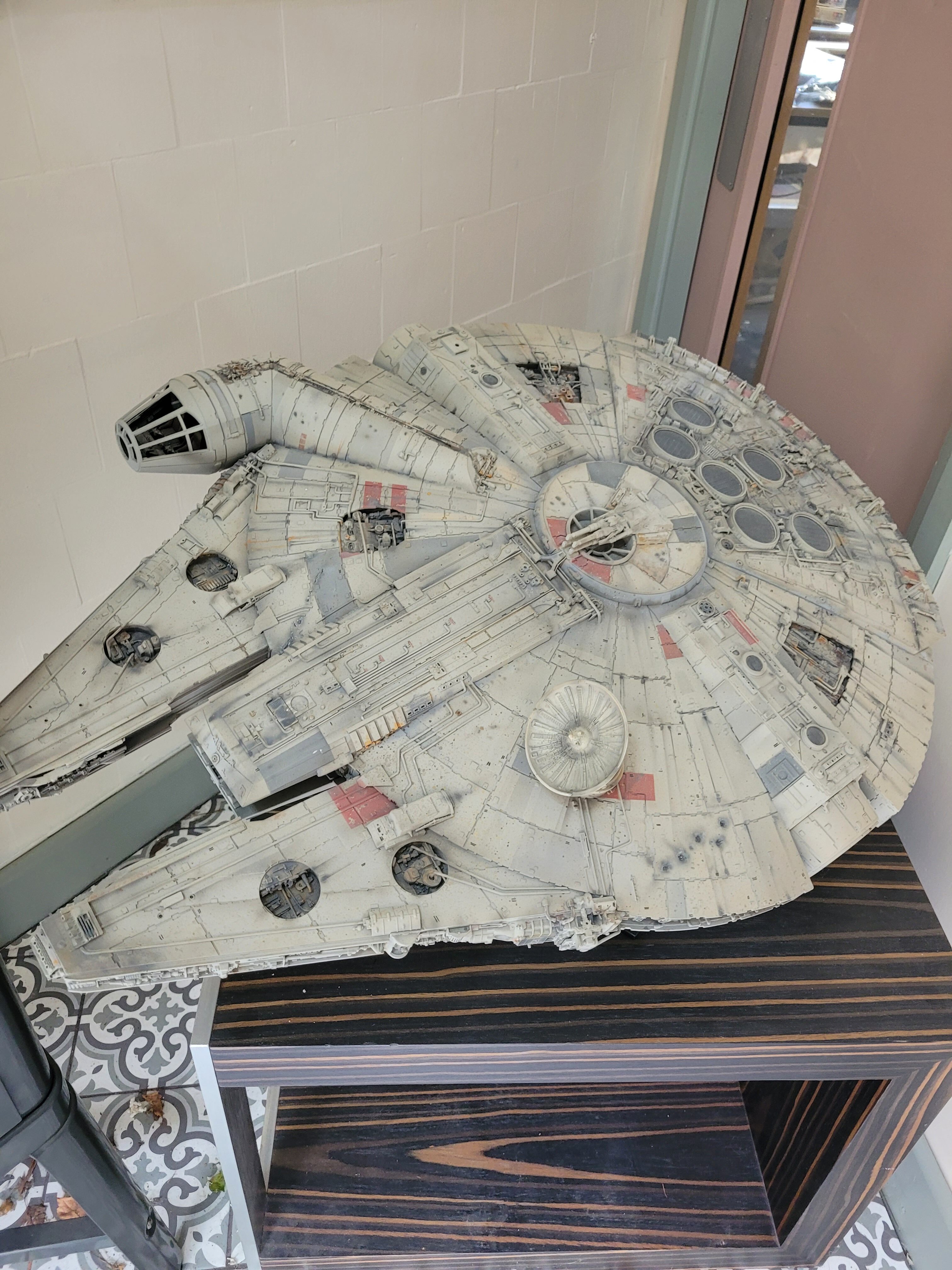
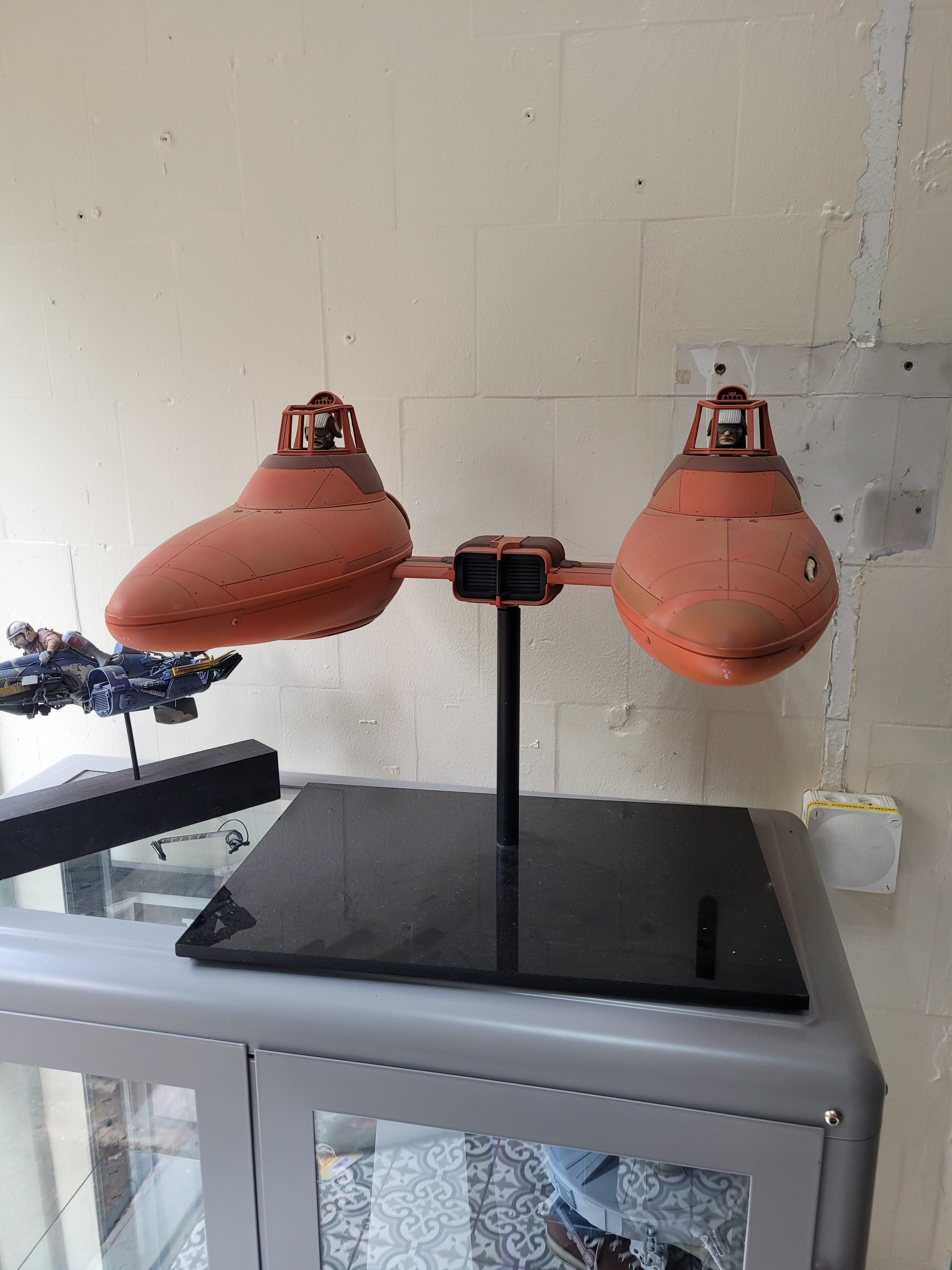
Ships that were an impressive scale and a Master Replicas Millennium Falcon – with custom paint job by Guy using Archive X paints. I just stared. In fact, Guy had to come out to check on me because I couldn’t take my eyes off it. I couldn’t find the words and Guy said it best, “It just looks Star Wars”. And he was absolutely right. The colour, the matte finish, it was like looking at something straight out of the Lucasfilm archives. I was seeing the sorts of colours I wanted to use myself on my own Star Wars products. It was like a holy grail of paint finds.
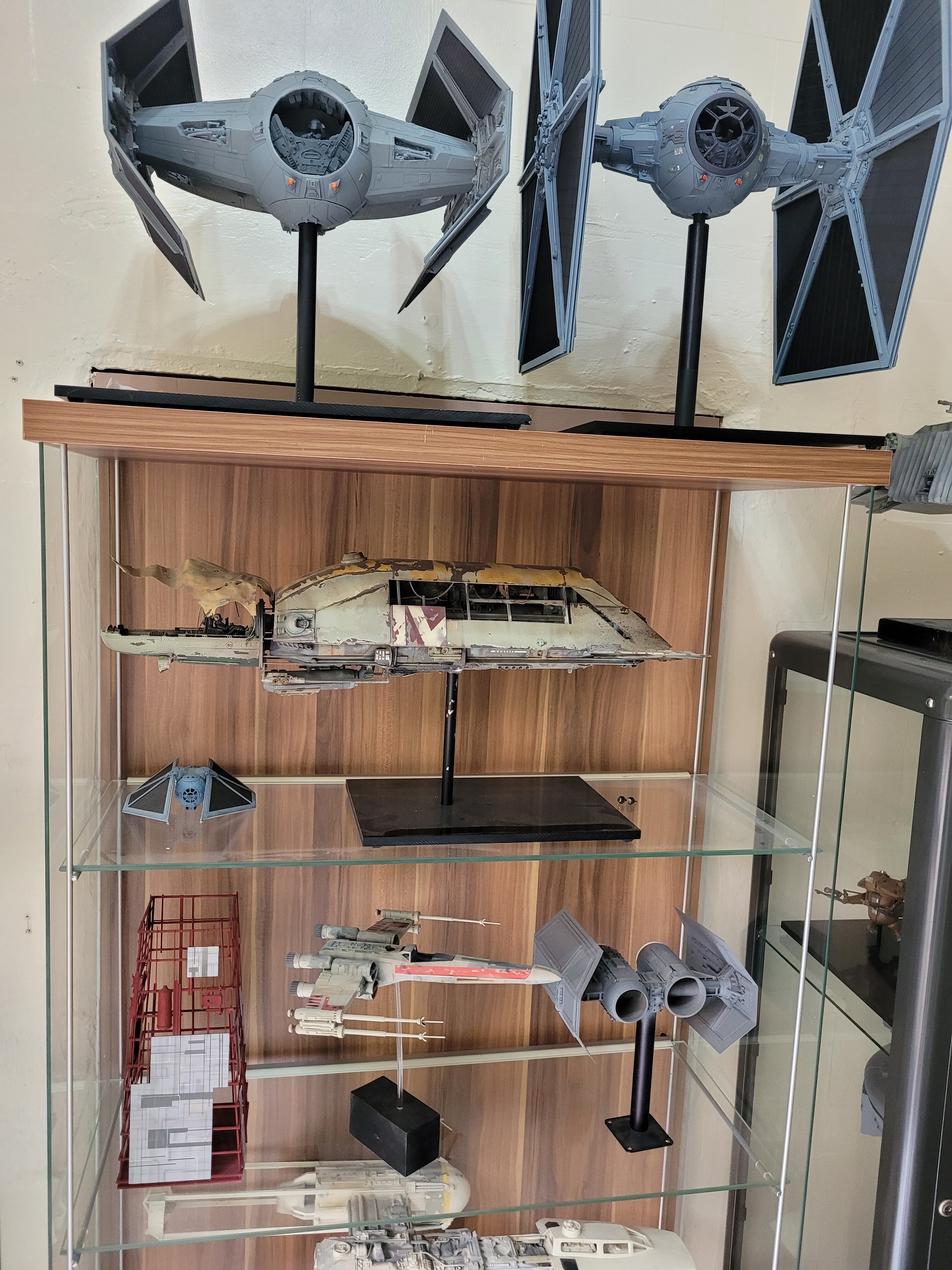
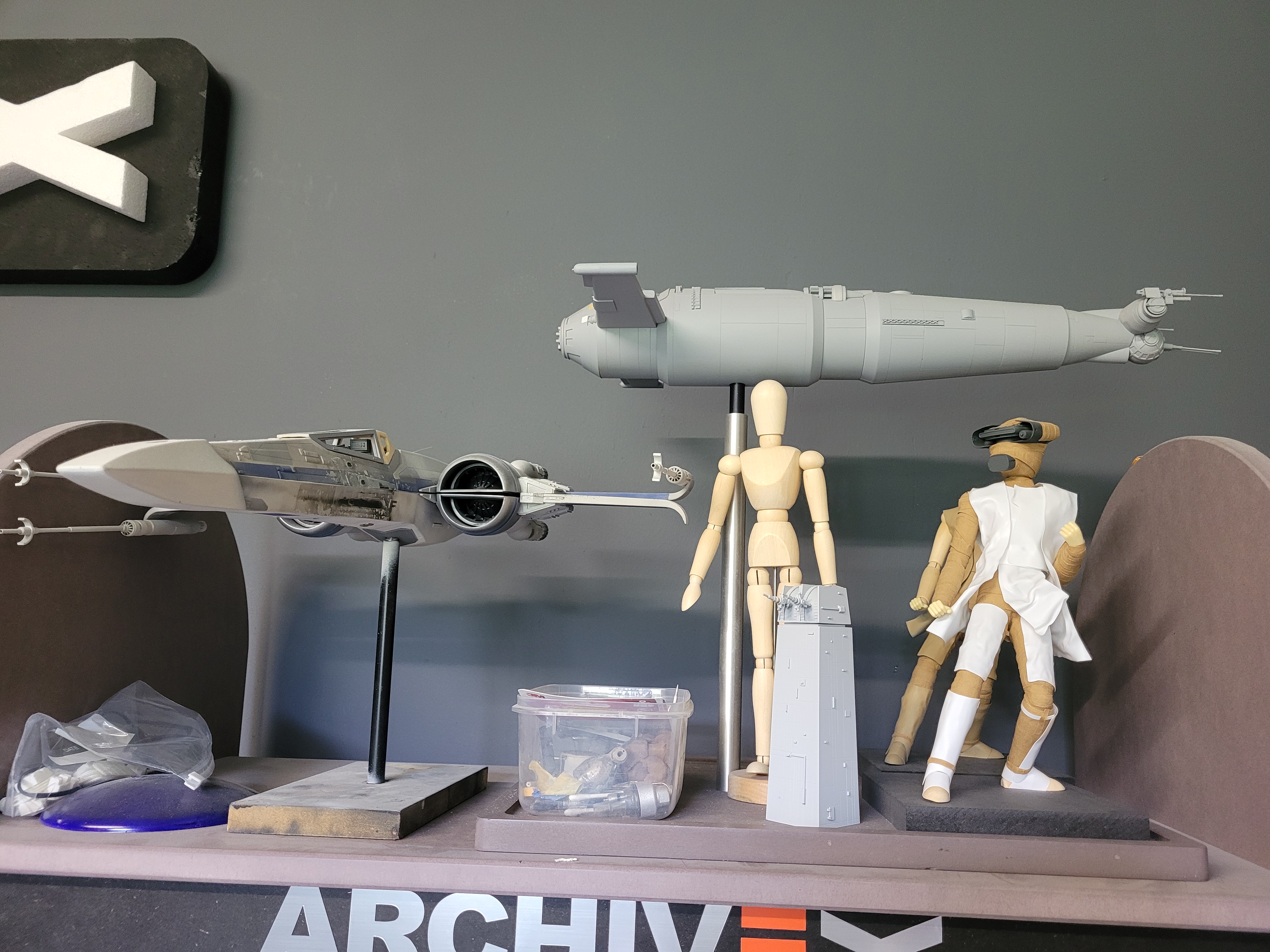
Yet the shocks didn’t end there! Walking into the workshop area there was a Y-Wing, a beautifully scaled, painted piece that just made my jaw drop and held my eyes for a lot of the time I was there. Guy explained that this was the Bill George Y-Wing. Bill George, or William George, works for ILM and he constructed a Y-Wing at home that led to his recruitment onto Return of the Jedi. What Guy had been working on was a replica. This wasn’t some easy piece.
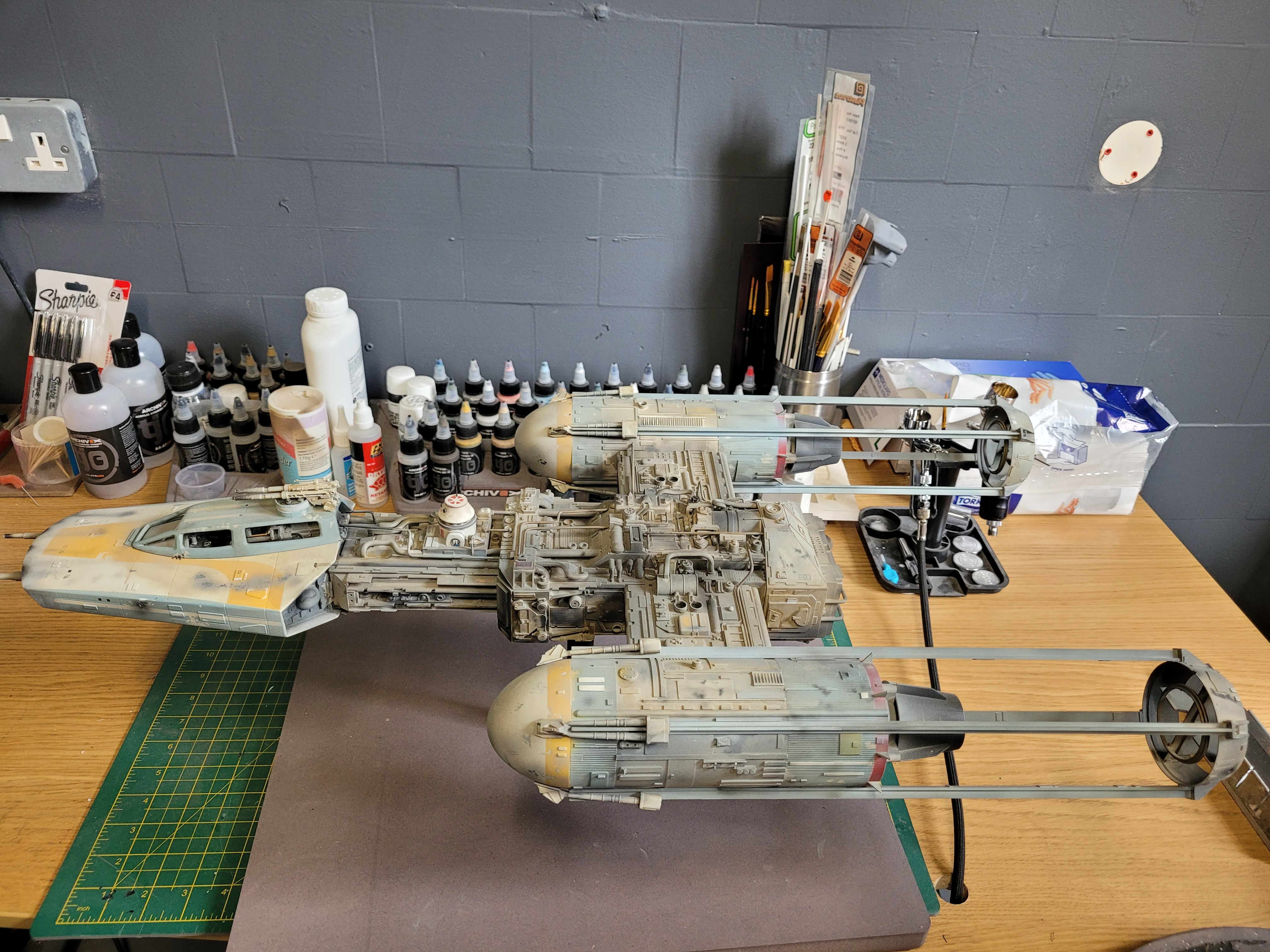
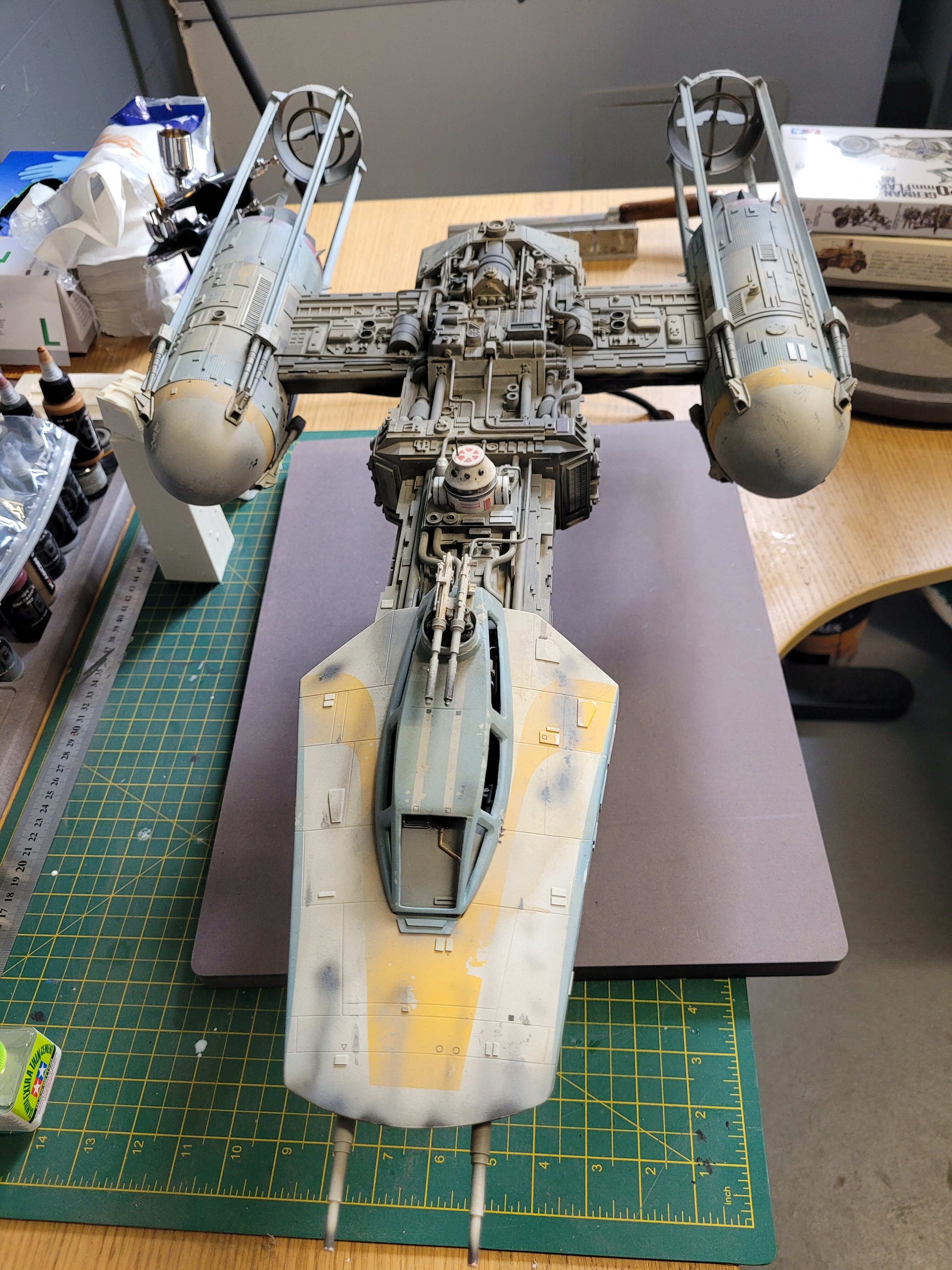
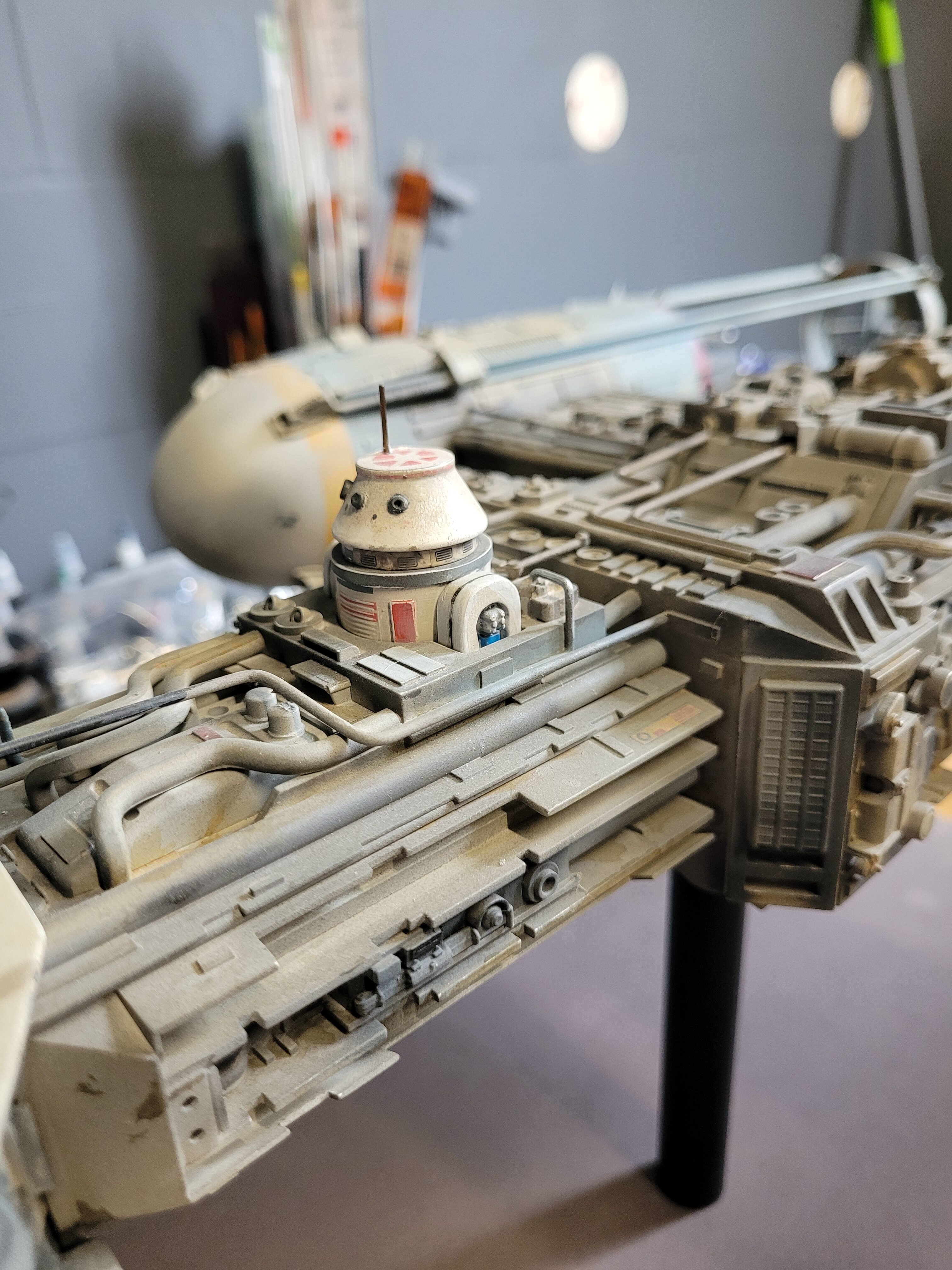
Photos had to be consulted, parts matched with old scale model kits from the era, even guess work at the measurements of the ship, working out the size of pieces from said model kits. I was stunned. I had come to talk about paints and yet I found myself stepping through a portal into a whole world. Here I was thinking I had found the holy grail of paints, yet Guy was like a model archaeologist, his own version of Indiana Jones. The detail on the ship was astounding and my mind just thought of all the documentaries and books I’d watched and read of the models ILM had used in the Original Trilogy. It looked straight from there!
I asked Guy how long something like this takes. He said, all in all, it was probably about 14 months to construct and paint a model like this. Three of those months was just building the ship itself, having to try and work out where pieces were from, and trying to obtain them now. It’s not for the faint of heart but the results are astounding. To be able to construct something like this from nothing more than photos is incredible. The time and patience for research is like nothing I had ever seen. It shows just how much passion Guy has for this hobby. The plan, eventually, is for Guy to make a set of sixteen replicas of the ship, paint them, and sell them. They are not cheap, and nor should they be for the work involved. Yet for the sixteen ships, there is already a list of over twenty customers. I think that says it all! In fact, the first model that was placed in the art department in London for The Force Awakens was one that Guy had made: an A-Wing. They wanted models from Return of the Jedi as their jumping off point for doing designs for the new trilogy. I could sense I was amongst greatness in this workshop!
Guy can discuss every part, every decision, and every detail about the ships he has made. Honestly, I could have listened to him talk all day. This is someone who has a real passion for Star Wars and the skills that went into creating the ships that are beloved by so many. This isn’t a simple thing to do. The attention to detail to get things just right is incredible, and I felt extremely lucky to be able to view these models up close. Guy has painstakingly had to refer to so much documentation, to see models close up at exhibits, and try and break down what ILM did over forty years ago to try and create the most closely matched replicas that you can find in the world. When you listen to him talk, as you understand the amount of time, he has taken to research all facets of the models, you can understand why he started his own paint range. This is a level of fandom that I didn’t even know existed and to see behind the doors that create them, well, as I’ve already said, I felt very privileged. It’s like listening to a historian tracking down all these different clues to find the answers (or parts) to finish a project.
What’s more, anyone can come and visit to discuss with Guy what he does, the paints he uses, and the models he creates. A stunning location and an incredible amount of Star Wars (stunning Star Wars) all in one place. I was shocked I hadn’t found this place sooner and I do believe many fans will be enthralled by Guy and the detailed work that he does. Not only that, but there is also plenty to do within the Maws Craft Centre and Ironbridge is not far either. I can’t recommend a visit enough if you want to see the magic that takes place here. And magic it is. My eyes just couldn’t stop taking in these stunning models, the paint work, the finish. I might have gone looking for paint, but I found something else entirely that was even more satisfying.
I started this journey looking for paints and I suppose that should be the place to end. I guess when you pick at a thread you never know how long it will be or how far it will take you. Finding a treasure trove with Guy has been incredible and now I can’t be any more excited to see what the Archive X paints can do. That terrain for Shatterpoint still needs painting! Guy pointed me towards the American site, which under the Archive X pull-down banner, will tell you which paints to use for which models. It’s a good starting point for myself and any readers who want to try these paints straight away. So, with my next goal set, join me soon, when I will look at what I have been able to achieve with Archive X paints and my Shatterpoint terrain!